World NTD Day 2026: Celebrating Global Progress and Charting the Road Ahead
2025 was the mid-point of the 2021–2030 WHO NTD Roadmap, and therefore a moment for reflection on progress toward the 2030 targets. Despite shifts in the global health landscape, NTDs remain a core priority for the Children’s Investment Fund Foundation (CIFF), driven by our mission to end 7 NTDs in Africa by 2030. Our focus is working with partners to achieve elimination with long-term sustainability through the delivery of proven interventions at scale; targeted innovation and evidence generation to accelerate progress; and deliberate investment in the ecosystem needed to deliver lasting change across the full spectrum of NTD control and elimination.
The fight against NTDs has seen remarkable advances over the past decade, with momentum accelerating year on year. On this World NTD Day 2026, an inspiring 58 countries have officially eliminated at least one NTD, reducing the number of people requiring interventions by 695 million (32%) compared to 2010. In addition, several countries are poised to join this group in 2026, demonstrating that elimination at a global scale is not simply aspirational but achievable.
EXPANDING TRACHOMA ELIMINATION EFFORTS
A particularly notable milestone in the global NTD landscape is the ongoing success in trachoma elimination. For the first time, records show that fewer than 100 million people are now at risk of trachoma – a 94% reduction since 2002. As of 30th January 2026, a total of 27 countries have been validated by WHO to have eliminated trachoma as a public health problem, up from 22 at the end of 2024. This progress has been made possible through implementation of the SAFE strategy — Surgery, Antibiotics, Facial cleanliness, and Environmental improvements — at scale, enabled by strong partnerships. It reflects bold commitments by national governments, the support of donors and implementation partners, and it is driven by community health workers, who play a pivotal role in identifying at-risk populations, distributing medicines, and promoting hygiene practices that break the cycle of infection. Thanks to this coalition of partners, we are now in the last mile of trachoma elimination.
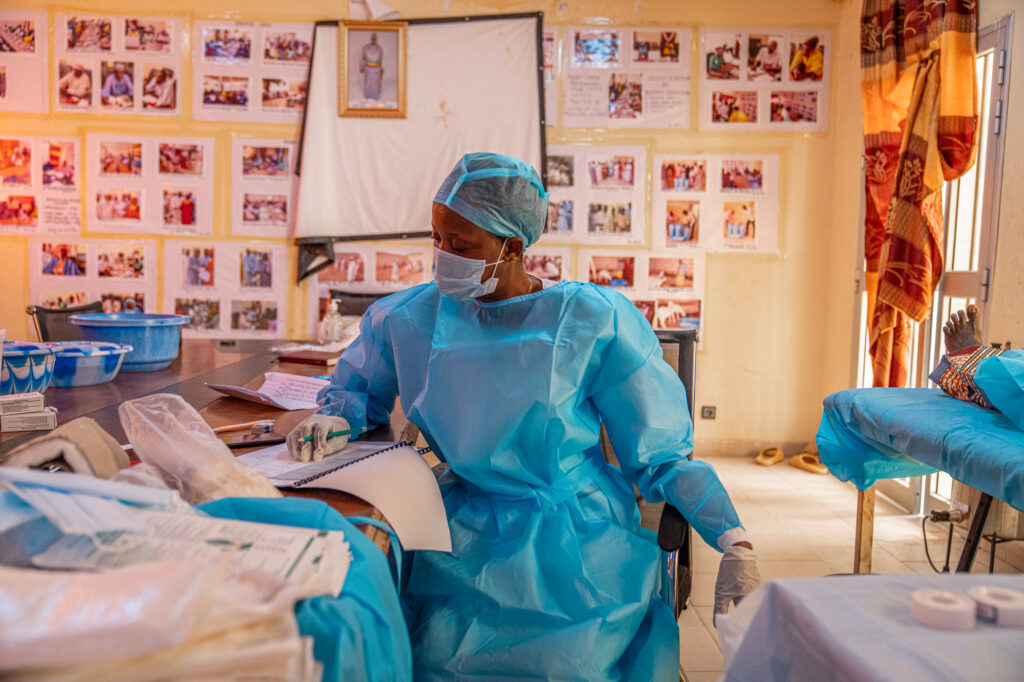
Surgeon from a health clinic in Koki, Senegal, working to treat Trachoma patients. Credit: Speak Up Africa.
Despite significant progress, Africa continues to carry the largest burden of this disease: out of 31 countries where trachoma remains endemic, 22 are in the African continent. 2025 marked an important milestone for the continent, as four countries – Burundi, Egypt, Mauritania and Senegal – achieved validation of elimination. This means 11 African countries are now free of trachoma, with a further 4 in the final stages of the elimination pathway and expected to be validated soon. Building on this progress, CIFF is expanding its support for trachoma elimination through 2026 and beyond to accelerate the efforts towards a trachoma‑free Africa.
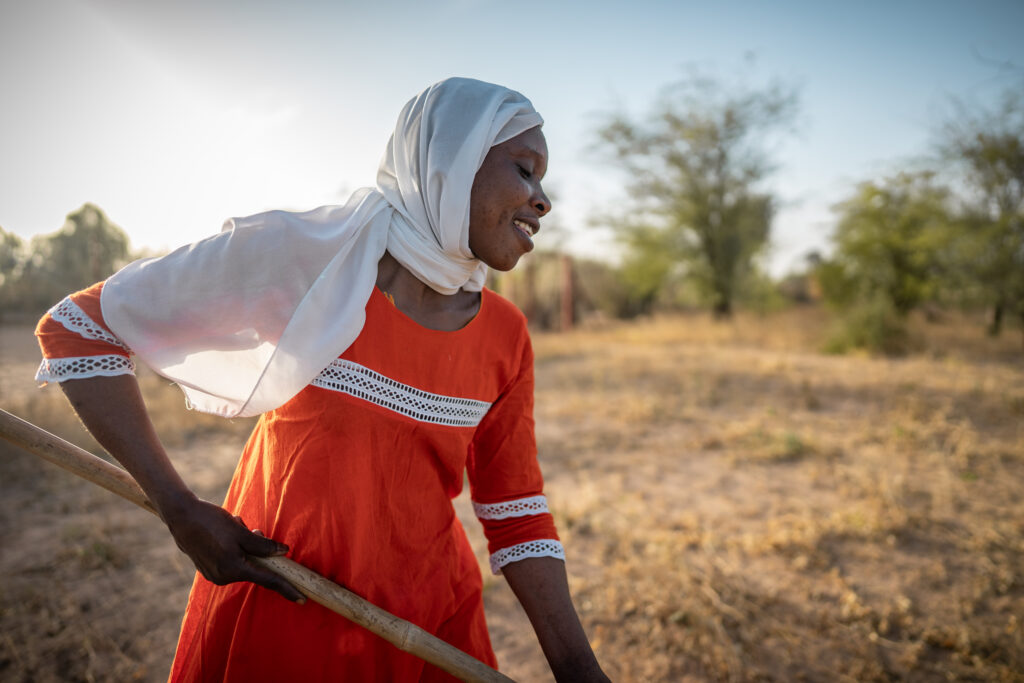
A woman in Koki, Senegal, named Fatou Fall, returning to work having received Trachoma surgery. Credit: Speak Up Africa
BROADER SUCCESSES AND CHALLENGES FOR NTDS GLOBALLY
While trachoma draws deserved attention, it is important to celebrate successes across the broader NTD portfolio.
- River Blindness: Several African nations are making significant strides to reduce transmission of onchocerciasis (river blindness), with Niger becoming the first African country to eliminate the disease in 2025, and Senegal stopping mass drug administration (MDA) following confirmation that transmission of the disease has ceased.
- Lymphatic Filariasis: Similarly, lymphatic filariasis (LF)has also been making remarkable progress. LF has now been eliminated as a public health problem in 21 countries, 3 of them in Africa – Egypt, Malawi and Togo- and 13 additional countries have successfully stopped MDA for LF and are now in surveillance phase, an important step toward verification of elimination. CIFF’s support of the Reaching the Last Mile Fund is dedicated to accelerating progress towards eliminating river blindness and LF across the African continent.
- Guinea Worm: Guinea worm disease, affecting an estimated 3.5 million people in the 1980s, is now on the verge of eradication, with only 10 human cases reported in 2025 across 3 countries – Chad, Ethiopia and South Sudan. This historic achievement is the result of decades of persistent surveillance, community engagement, and cross-sectoral collaboration led by the global Guinea Worm Disease Eradication Programme.
- Visceral Leishmaniasis: Finally, visceral leishmaniasis (VL) has also seen encouraging declines in incidence, particularly in South Asia: Bangladesh was the first country to eliminate VL in 2023. The recent launch of the WHO East Africa VL Elimination Strategy is calling for regional solidarity and coordinated action for African countries to shift from VL control to elimination as a public health problem.
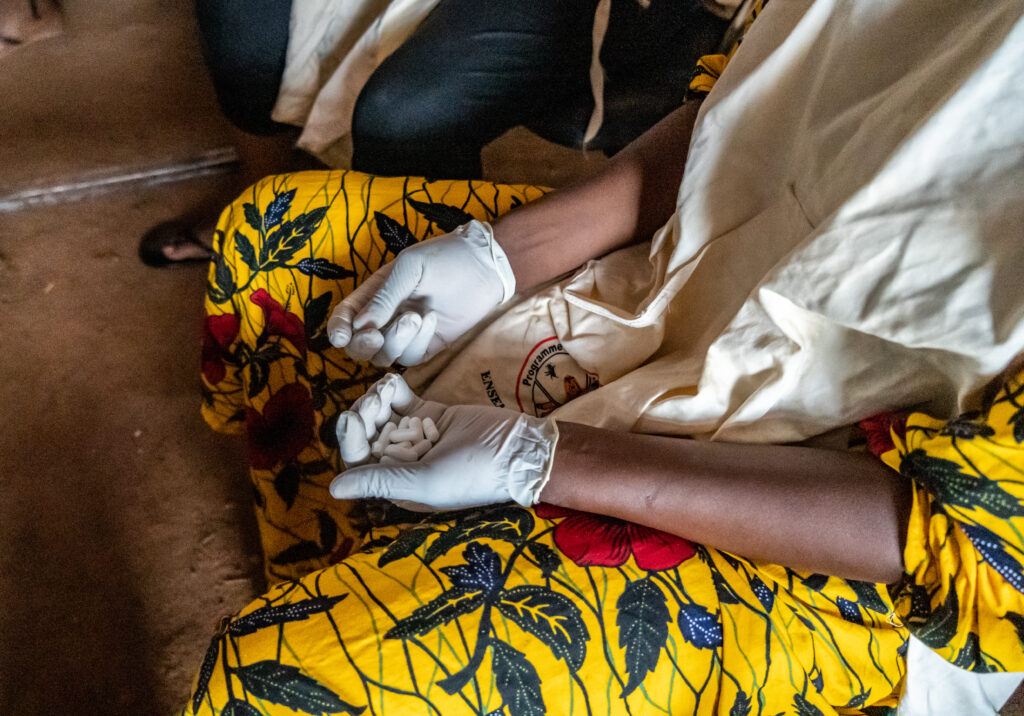
A community health worker in Burkina Faso supporting in community LF treatment. Credit: Speak Up Africa
Despite the encouraging milestones, significant challenges persist – particularly in the control and elimination of Soil-Transmitted Helminths (STH) and Schistosomiasis (SCH). These diseases continue to affect millions, especially children, causing malnutrition, anaemia, and impaired cognitive development. The continuous need for preventive treatment and cross-sectoral collaboration makes these NTDs particularly difficult to tackle.
CIFF remains steadfast in its commitment to STH and SCH elimination, supporting research into new treatment approaches, delivery models, and community engagement strategies – including the Geshiyaro programme in Ethiopia, Deworming Innovation Fund and a recent project on FGS integration with SRHR services in Kenya. Leveraging lessons learned from these and other NTD programmes, we continue to collaborate with global and local partners to accelerate elimination of these diseases, and to help build resilient health systems capable of responding to evolving challenges.
Recent global funding cuts have also threatened to slow momentum for progress. With fewer resources available, maintaining essential NTD programme components such as reliable drug supplies, community-led efforts, and crucial programme staff could be disrupted. As a philanthropy, CIFF’s role is to help unlock financing, but philanthropy alone cannot fill the gap. To maintain the encouraging momentum of NTD progress, we must work together and explore more options for funding. This includes advocating for continued investment and exploring innovative financing mechanisms.
A CALL TO ACTION FOR A WORLD FREE FROM NTDS
More than ever, World NTD Day 2026 marks a pivotal moment to renew and strengthen our collective commitment to accelerating progress toward the 2030 NTD Roadmap targets. We stand at a historic juncture, one where decisive action can lift millions of people out of the burden of NTDs and unlock their full health, dignity, and productivity.
The global NTD response has been built on extraordinary partnership. Billions of donated medicines, a remarkable act of solidarity, form the backbone of NTD programmes worldwide. With this gift comes a shared responsibility: to ensure these medicines are used effectively, equitably, and with the highest standards of stewardship, reaching those who need them most and translating access into lasting impact. The progress achieved to date is nothing short of extraordinary. Countries are eliminating diseases, stopping mass drug administration, and moving from control to sustained surveillance. We are closer than ever. This is precisely why we cannot afford to slow down, fragment our efforts, or lose momentum now.
World NTD Day 2026 must be a moment of resolve. A moment to recommit, to double down, and to act with urgency and purpose. Governments, partners, donors, industry, and communities must come together to close the final gaps, sustain gains, and ensure no one is left behind. The choice before us is clear: to press forward and finish the job – or to fall short when success is within reach. Let us seize this moment, stand firmly on the right side of history, and deliver on the promise of a world free from NTDs.
Eliminating Lymphatic Filariasis: the ARISE Project in Burkina Faso.
Protecting Sight [Protéger La Vue]: following a woman in Senegal undergoing Trachoma Surgery.
“The hidden epidemic”. Preventing and treating FGS across Kenya.
The Geshiyaro Programme: a project attempting to break transmission of STH and STC in Ethiopia