Building a more resilient world for children: CIFF’s reflections on the World Health Summit 2026
Against a backdrop of constrained budgets, climate shocks, humanitarian crises, and growing demands on health systems, building resilience is more important than ever.


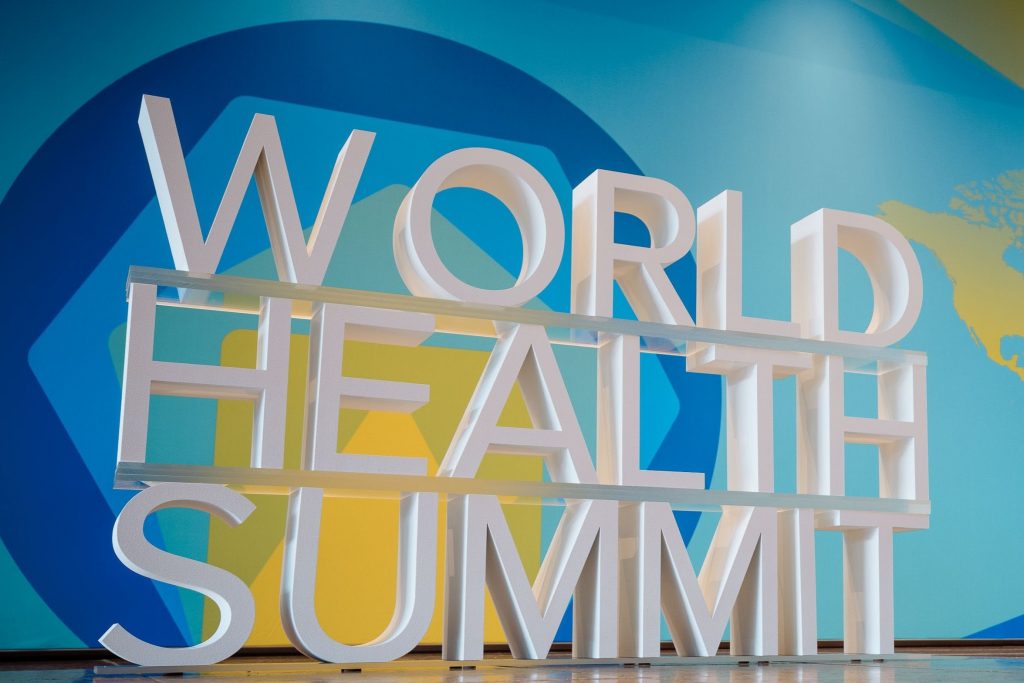
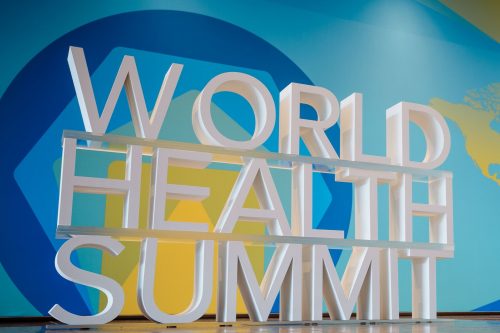
The World Health Summit 2026 brought together the health ecosystem, including governments, multilaterals, civil society, researchers, funders, the private sector, and frontline practitioners.
Against a backdrop of constrained budgets, climate shocks, humanitarian crises, and growing demands on health systems, one theme emerged consistently: resilience is not built through short-term interventions, but through long-term investments in people, institutions, and shared leadership.
Here’s how that theme flowed through the priorities of our CIFF team and partners during the Summit, from the future of global health architecture to maternal and newborn health, and meaningful youth engagement.
How can we strengthen health workforces to build resilience?
- Midwives remain one of the most important and overlooked components of resilient health systems. Whilst global health discussions often focus on crisis response, our partners reminded us that women continue to need care and babies continue to be born, regardless of circumstances. A strong, skilled, and supported midwifery workforce is therefore not only central to maternal and newborn survival, but also to broader health security and system resilience. The challenge now is not proving the value of midwives but ensuring they are prioritised in long-term national planning.
- Shortages in the health workforce cannot be solved simply by training more health workers. Across many settings, trained professionals exist but are not employed, whilst those who do secure employment are not always situated where needs are greatest, with resources persistently concentrated in urban areas. Community Health Workers, who provide a critical link between harder-to-reach communities and health systems, continue to face inadequate support, limited career pathways and chronic underinvestment.
- Workforce resilience depends not only on training, but on fair compensation, supportive supervision, professional development and long-term career opportunities. Ultimately, health workers need the prospect of a real career in healthcare. Partners therefore highlighted the need for governments, funders and development institutions to align investment with the realities experienced by health workers and communities.
What would more resilient global health architecture look like, and who should have the power to shape it?
- Global health financing is changing, and the question is not simply how funding gaps are filled, but also about who sets the priorities and makes the decisions. Amid shrinking and increasingly uncertain external financing, our partners repeatedly returned to the importance of domestic investment, country leadership, and building health systems which are less dependent on volatile external funding.
- Greater sovereignty requires greater capacity to deliver. Government-led initiatives such as Ghana’s Accra Reset reflect a wider shift in the global health conversation towards practical health sovereignty, stronger domestic execution capacity and greater financial self-reliance. This means creating the conditions for countries to exercise greater agency over how their health systems are financed, governed and delivered.
- Global partnerships need to support stronger nationally owned systems. For governments, funders and development institutions, this means looking beyond individual funding gaps towards how investment can strengthen domestic capacity and enable countries to sustainably plan, finance, and deliver against their own health priorities.
How can we build resilience for young people by enabling them to shape the decisions that affect them?
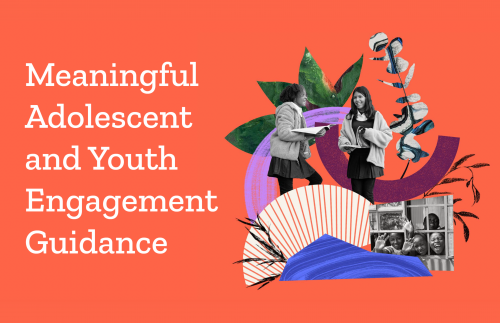
- Having young people in the room is not the same as sharing power. During discussions around meaningful adolescent and youth engagement, partners emphasised that participation should be judged by whether young people can genuinely influence priorities and decisions, not simply whether they were consulted.
- Meaningful engagement requires institutions to look at their own role. If young people’s engagement does not result in identifiable change, we should not simply ask why they failed to influence the process. We should also ask whether institutions gave them sufficient power to do so.
- Sharing power can be uncomfortable, and that can be a sign of progress. Partners highlighted the importance of recognising lived experience as evidence and creating the structures through which young people can shape priorities, challenge assumptions and hold institutions accountable. Commitments matter, but their value ultimately depends on implementation and accountability.
What did we take away?
Across the summit, the three questions which kept resurfacing were:
- Who has the resources?
- Who sets the priorities?
- Who has the power to make decisions?
Whether strengthening the health workforce, rethinking how global health is financed, or creating meaningful opportunities for young people to shape decisions, our partners pointed towards the same underlying principle: resilient health systems depend on investing in people and building stronger, nationally owned systems which are capable of delivering for the communities they serve.
For CIFF, that is perhaps the most important reflection from this year’s World Health Summit. Lasting change is not only about identifying the right solutions, but it is also about ensuring that the people and institutions closest to the challenges have the resources, capacity, and agency to deliver them.
ENDS.