India
CIFF works with both national and state governments to advance India’s vision of Viksit Bharat 2047: becoming a developed nation by 2047.

Introduction
Viksit Bharat focuses on transformative growth across the economy, infrastructure, healthcare and education, and emphasises evidence-based interventions and measurable outcomes through coordinated action between government, civil society and private sector partners. This plan is central to all of CIFF’s work in India, where we provide technical assistance and generate evidence for scalable solutions.
CIFF in India supports the Indian government and state governments to advance their development priorities, which align closely with our charitable objectives. We also work with implementing and technical partners, and the private sector, to ensure improved outcomes. CIFF works in full compliance with India’s regulatory and legal requirements, and maintains a rigorous due diligence process across all engagements. CIFF has no religious or political affiliations.

Investment case
We believe there’s an opportunity in India to accelerate progress on government priorities which will deliver for children.





If all girls in India completed secondary school, the country could see a 10% boost in GDP over the next decade – driven by higher female labour force participation and improved health outcomes.

“Providing the best possible education to daughters is the most effective way to promote women-led development.” – President Droupadi Murmu
If India increases female labour force participation to around 55% by 2050, the country could sustain a higher long-term GDP growth trajectory and unlock significant economic gains.
Reducing low birthweight could help India unlock $115 billion in economic gains each year by cutting healthcare costs and improving long-term productivity.
Babies born at healthy weights are significantly more likely to do well in school, reach their full cognitive and physical potential, and become productive members of society. This lays the groundwork for a healthier, more prosperous India.
If India increases female labour force participation to around 55% by 2050, the country could sustain a higher long-term GDP growth trajectory and unlock significant economic gains.
This represents a transformative economic opportunity and makes women’s workforce participation one of India’s most powerful and underleveraged growth drivers.
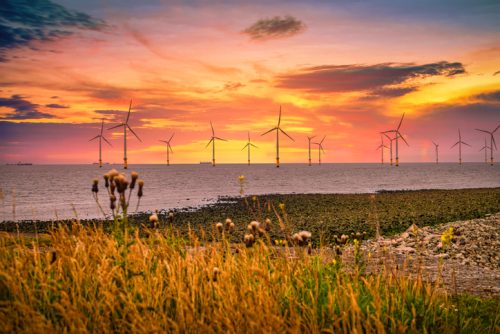
Investment in renewables has the potential to create 3-6 million jobs in India by 2050, far outweighing the effects of a relative decline in other sectors.
Beyond economic growth, this transition to renewable energy positions India to lead by example, demonstrating how emerging economies can pursue rapid development while advancing climate resilience, energy security, and sustainable livelihoods.

Key priorities
Our interventions focus on critical moments in women and children’s lives, when there is the greatest need, but also the most opportunity. We also support India’s journey towards clean growth, so that children can grow up in a cleaner, healthier world.
Women’s economic empowerment and skilling
Our goal: Empowering women economically to help build more stable, prosperous societies.
Sustained economic growth and social stability depend on women’s full participation in the workforce. Effective skilling programmes must therefore equip women with market-relevant skills across a wide range of sectors, including those traditionally closed to them, and connect them directly to quality jobs. Women need clear pathways to employment and conducive conditions to remain in work. This is why we prioritise programmes that measure success not by how many women are trained, but by how many women secure jobs, stay employed, and meaningfully contribute to the economy over time.
Ending violence against children and setting girls up for success
Our goal: To protect children from all forms of violence and ensure that they have access to quality education, enabling every child to thrive.
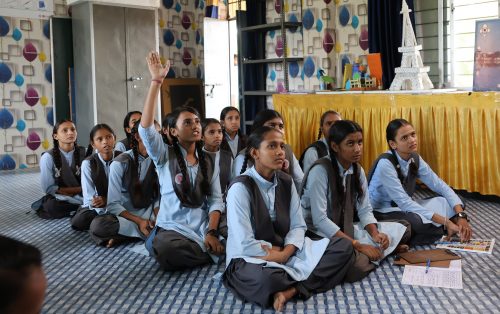
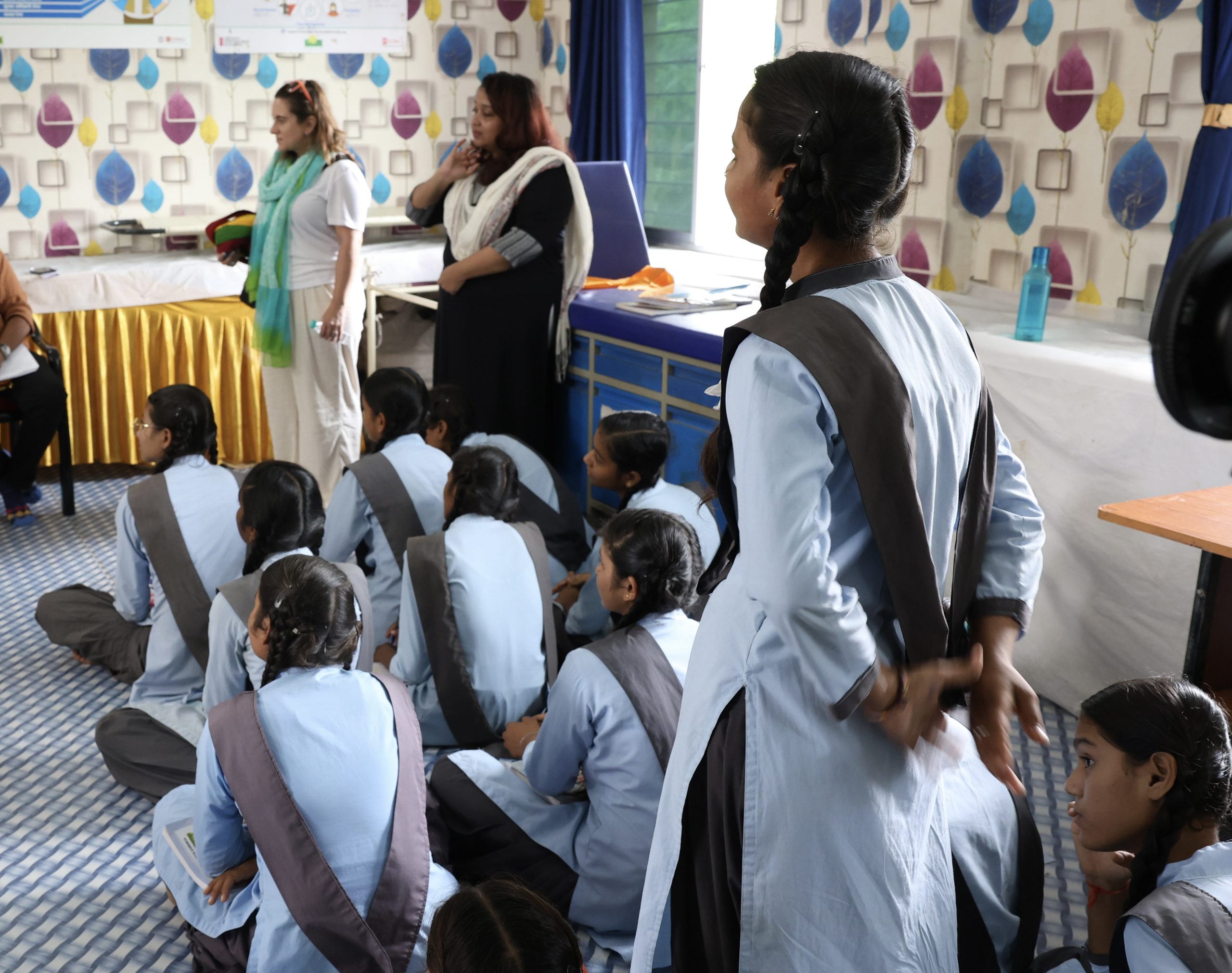
Ending violence against children, especially against girls, is fundamental to building a more equitable and prosperous society. Malpractices such as child marriage deny girls their rights to safety, education, and opportunity, with lifelong consequences for their health, livelihoods, and wellbeing. Education is one of the strongest protective factors against such violence. Girls who stay in school longer are far less likely to be married early, and far more likely to grow into healthy, financially independent adults who can shape their own futures as well as contribute meaningfully to the nation’s economy.
By looking at root causes and using strong data mechanisms we’re collectively moving towards a world which empowers children to meet their full potential and, in turn, build a more sustainable and fairer future for everyone.

Reducing low birthweight
Our goal: To ensure all children in India are born healthy.
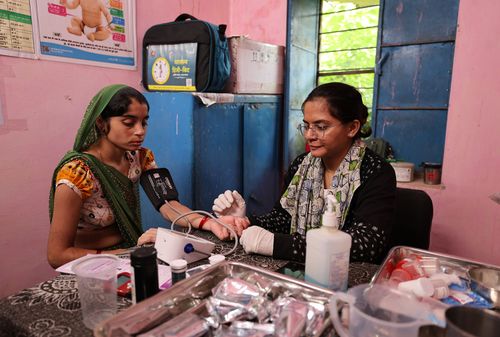
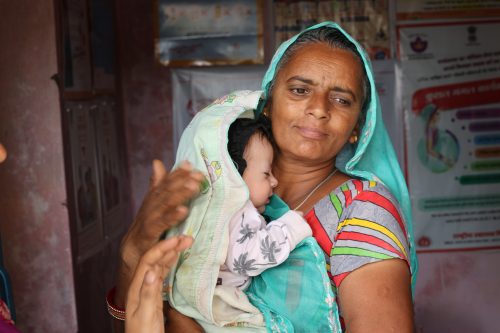
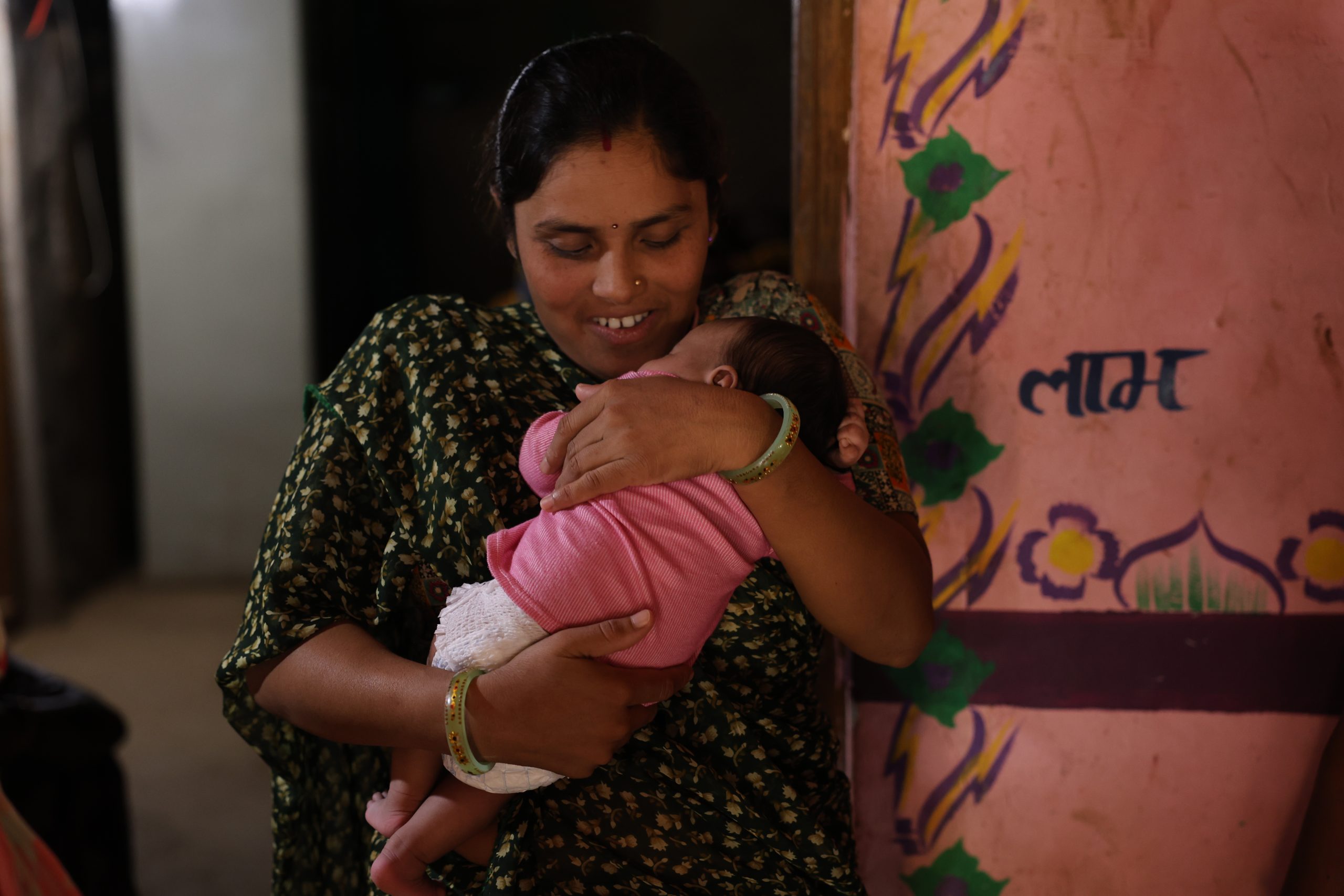
When mothers and babies thrive, communities thrive. CIFF’s work in maternal and newborn health is focused on giving every child the best possible start in life by addressing the root causes of poor health. In India, this focus comes together through efforts to reduce low birthweight, a critical determinant of children’s survival, growth, and life outcomes. We work closely with governments across states to improve care and birth outcomes for pregnant women by sustainably scaling proven solutions for maternal health and nutrition.
Together with our partners, we support interventions including nutrition-linked cash transfers and anaemia reduction. By rigorously testing what works and generating evidence at scale, we aim to provide evidence for solutions that can be adopted nationally to reduce low-birthweight.
Advancing clean growth
Our goal: To accelerate India’s climate transition and drive cleaner, more resilient economic growth.
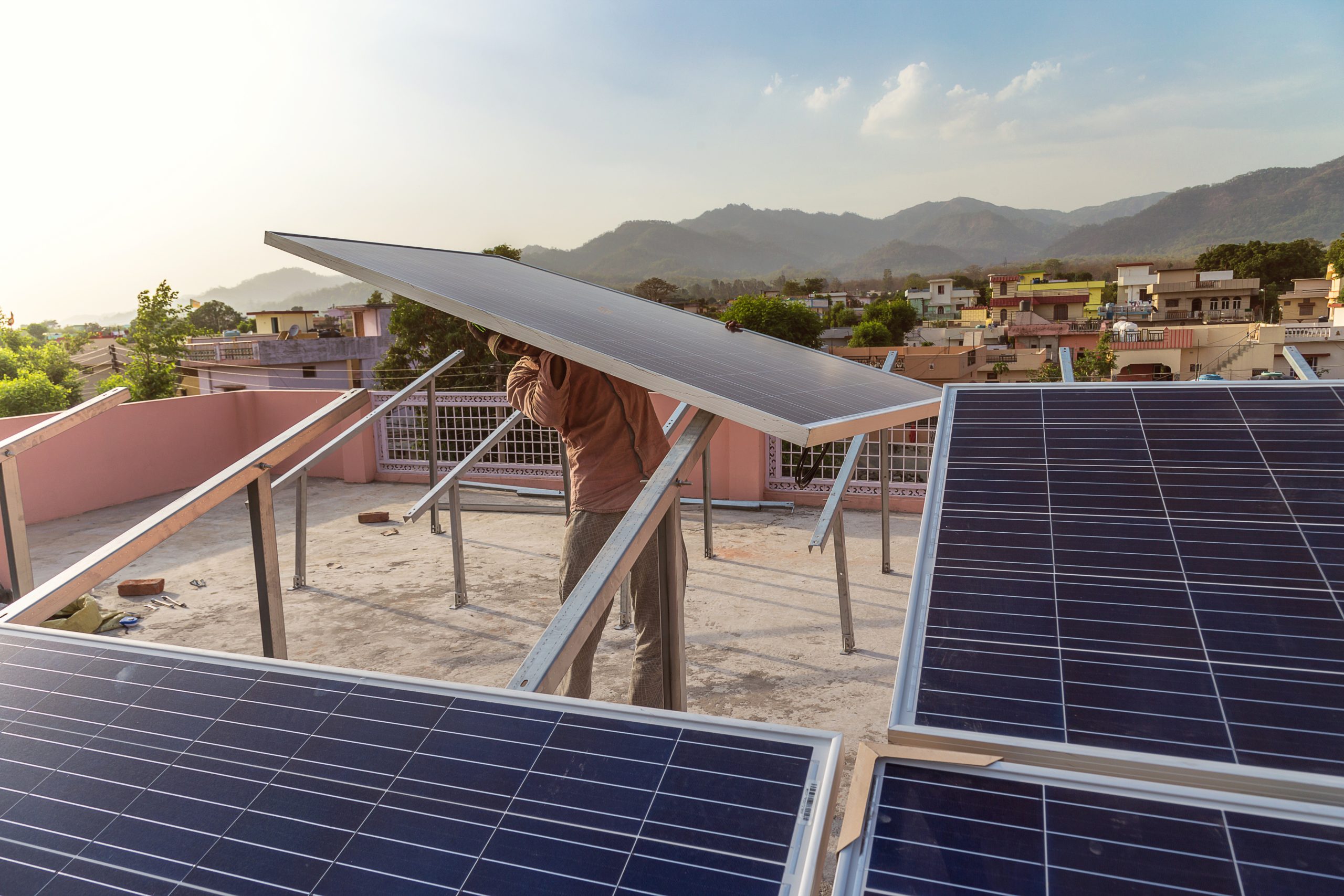
India is accelerating its clean growth ambitions, shaping both its development path and its global leadership role. Working with government and technical partners, we support the expansion of climate-resilient infrastructure and clean energy solutions that reduce climate-related illnesses, create green jobs, and enhance energy security by lowering reliance on fossil fuel imports. Several states are already adopting innovative clean growth models that demonstrate scalable solutions for India, with strong potential for adaptation by other countries.


Our approach

Prioritising local ownership
We support the national government of India’s development priorities, and work with diverse ecosystem partners to design and scale evidence-based solutions that drive transformative impact.

Accelerating change by scaling evidence-based solutions
We support the creation of high-quality, rigorous evidence, leveraging past insights and emerging findings to build strong programmes. This strengthens technical assistance and programme delivery, enabling them to be scaled at state and national levels.

Working as a bridge-builder
We work with diverse stakeholders across India to form powerful strategic alliances and enable cohesive action and impact. We also connect the dots globally, helping share Indian expertise on the world stage.
India team
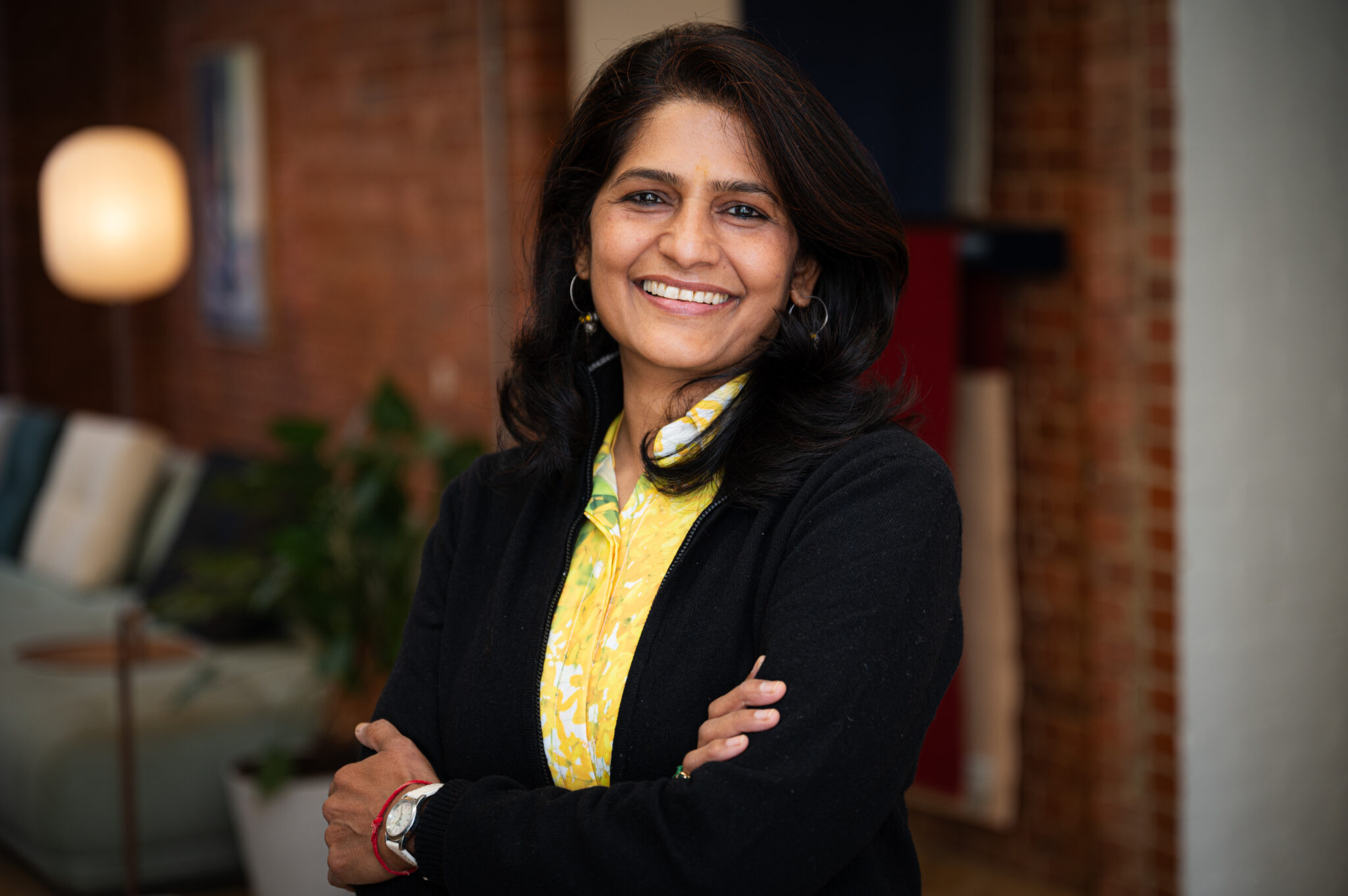
India’s team works across all of CIFF’s priorities and is based in Delhi.







Related regions and programmes
CIFF’s work in India covers all the key global opportunities that CIFF prioritises.