Building the Plumbing for Impact: CIFF at AVPN Global Conference 2026
How we help shift capital and commitment toward the outcomes that matter most?


Every year, AVPN’s Global Conference brings together funders, investors, governments, and delivery partners from across Asia to ask the same underlying question: how do we move capital and commitment toward the outcomes that matter most? This year, that conversation unfolded in India, and CIFF was proud to be part of it.
Over the three days, CIFF spoke at numerous sessions and side events across the wider AVPN programme, engaging with other funders and delivery partners on the themes that sit at the heart of our mission: health and nutrition, climate action, women’s empowerment, organisational and ecosystem development, and outcomes-based financing.
Two Key Launches
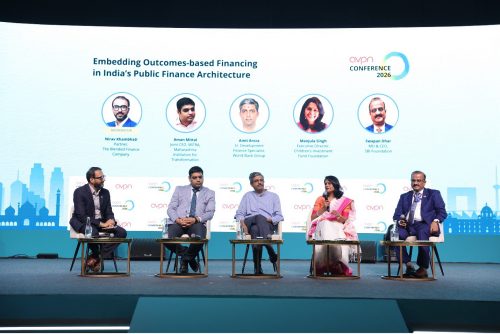
Embedding Outcomes-Based Financing in India’s Fiscal Architecture
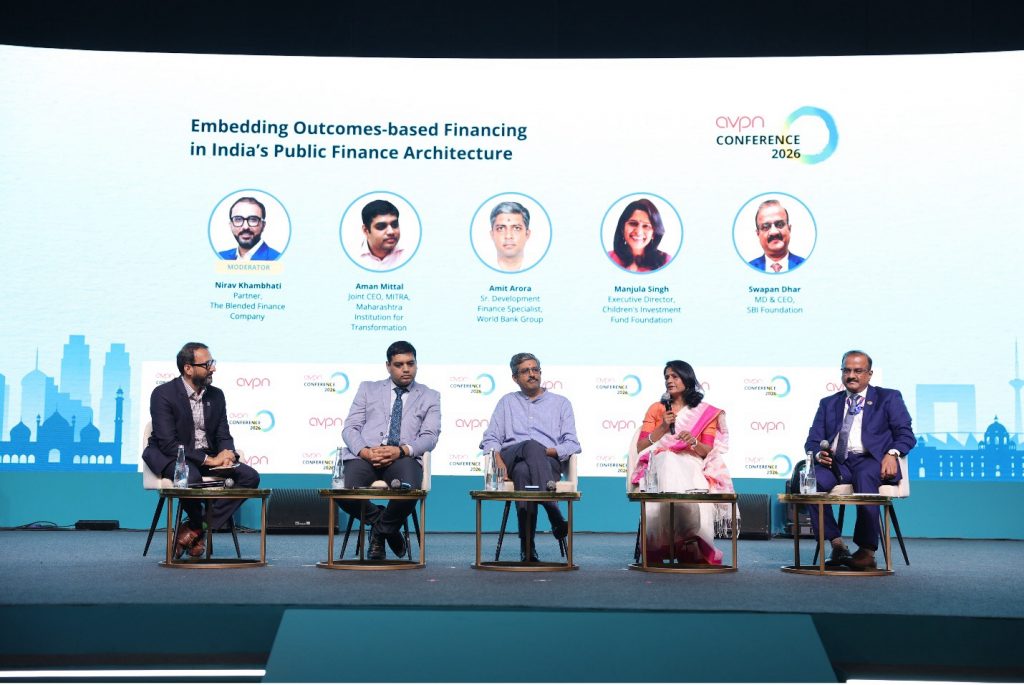
At AVPN 2026, Manjula Singh, Executive Director for CIFF in India, launched a new report, “Embedding Outcomes-Based Financing in India’s Fiscal Architecture.”
In the plenary discussion that followed, she made the case that the next chapter for outcomes-based financing isn’t about proving the model through more pilots – it’s about building the systems that let governments use it routinely and at scale. As she put it, the goal is “building the plumbing that makes outcomes-based financing easier to use across sectors, so it becomes routine rather than the exception.”
From digital public infrastructure and verification systems to funding mechanisms and implementation capacity, these are the building blocks that can move outcomes-based financing from isolated successes to a core part of public finance. And this, we believe, is where the biggest opportunity lies.
The Sangam Collaborative
We are also pleased to share the launch of the Sangam Collaborative, a new partnership that aims to improve health, education, and nutrition outcomes for 70 million people across five states: Jharkhand, Assam, Chhattisgarh, Odisha, and Bihar. Launched together with the Piramal Foundation, the Gates Foundation, the ATE Chandra Foundation, and Dhanam Foundation, the Collaborative brings philanthropic partners together to uplift millions out of poverty while strengthening the systems that deliver impact at scale.
To mark the launch, CIFF CEO Kate Hampton said: “India has shown that transformative progress is possible when governments, philanthropies and partners work together with a long-term commitment to strengthening public systems. The Sangam Collaborative is an exciting opportunity to build on that momentum and help millions of people access better health, nutrition, education and sustainable livelihoods.”
Voices from CIFF at AVPN
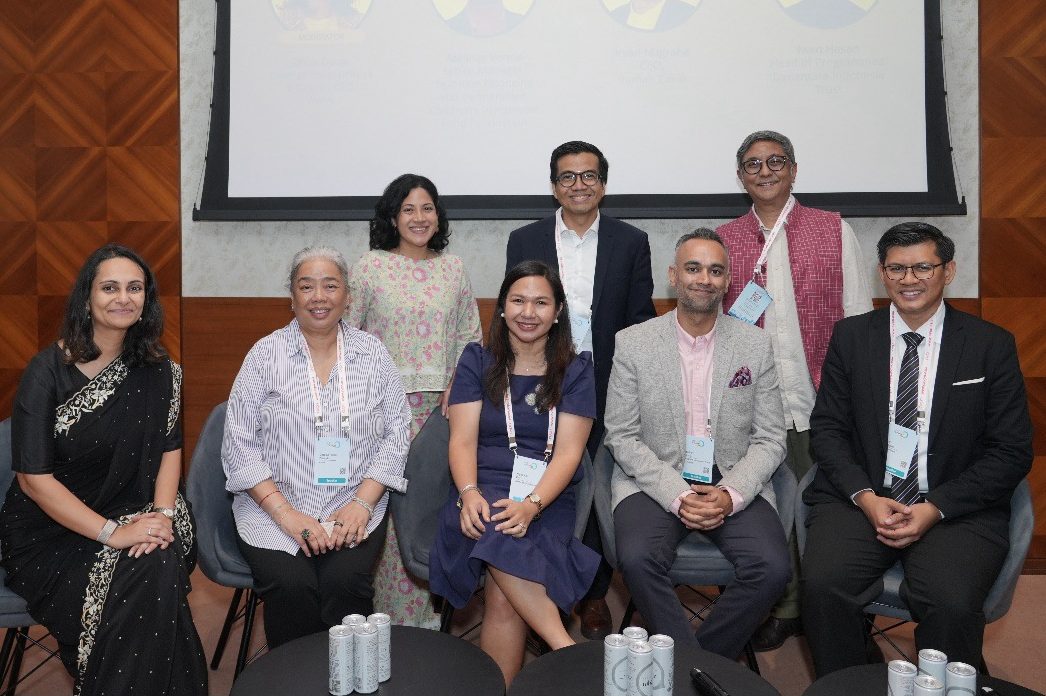
CIFF spokespeople joined panels and sessions across the conference, sharing perspectives shaped by years of work in their respective fields.
Abhinav Verma, Senior Manager, Nutrition Financing and Partnerships at CIFF, spoke on strengthening health equity through maternal and child nutrition. He noted that proven interventions already exist – the real challenge is financing them at national scale. CIFF’s catalytic approach, he explained, de-risks early action and unlocks far larger government investment, so that delivery shifts into national systems where impact can be sustained. In 2025, programmes supported by the Child Nutrition Fund reached millions of women and children with multiple micronutrient supplementation, vitamin A, deworming, and wasting treatment, demonstrating both reach and feasibility when governments commit. He also pointed to the One Childhood, One Chance Alliance, which brings funders, implementers, and governments together around a shared strategy and metrics, reducing fragmentation and helping translate evidence into national budgets and sustained services.
“Fixing fragmented aid isn't about more money — it's about funders pooling together, because that's what makes everyone more catalytic.
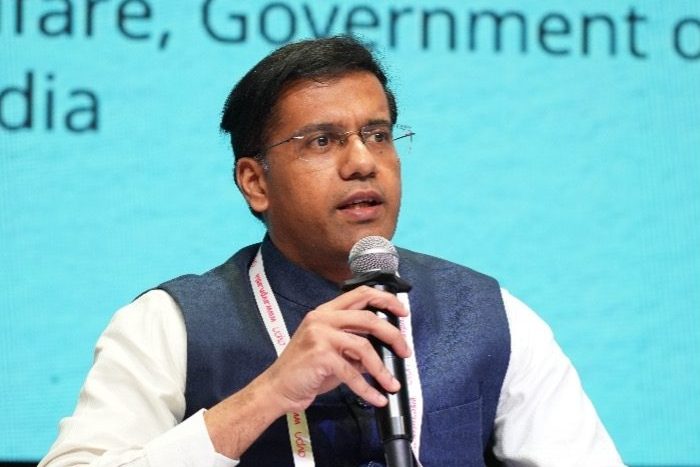
Hemang Shah, Director, Health and Nutrition – India, CIFF, joined a panel on maternal and child health to discuss how philanthropy can strengthen government leadership and accelerate outcomes at scale.
“Philanthropy's role goes beyond funding and is a lot about trust: aligning on the problem, taking guidance from government, and anchoring to shared goals like the SDGs. From there, it's about building partnerships across philanthropy, CSR, normative agencies, and professional bodies, understanding the ecosystem well enough to avoid duplication, and staying grounded in what districts and states actually need. All of this while remaining patient and long-term, yet agile enough to course-correct when the evidence calls for it.
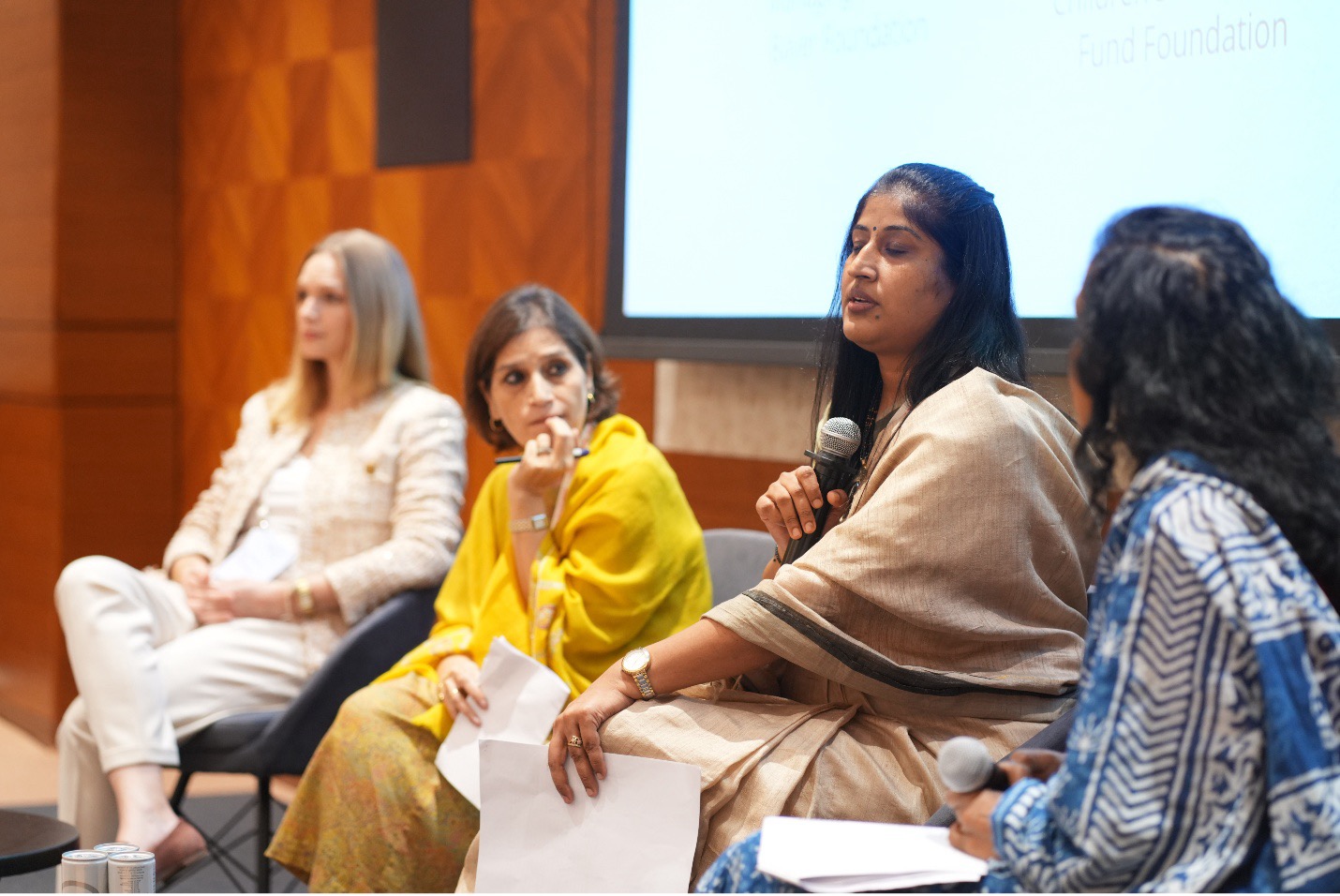
Vandana Bahri, Director, Women’s Economic Empowerment – India, CIFF, sat on a panel on accelerating action for gender equality funding. She spoke about women’s economic empowerment being deeply interconnected with health and climate resilience, and why they can’t be treated as separate issues.
“Whether a woman can participate in and remain in the workforce depends on her education, her health, the choices she can make about her own life, and how resilient her household is to climate and economic shocks.” She also noted that women are on the frontlines of climate change — and closing the financing gap to match that reality is one of the biggest opportunities ahead for the sector.
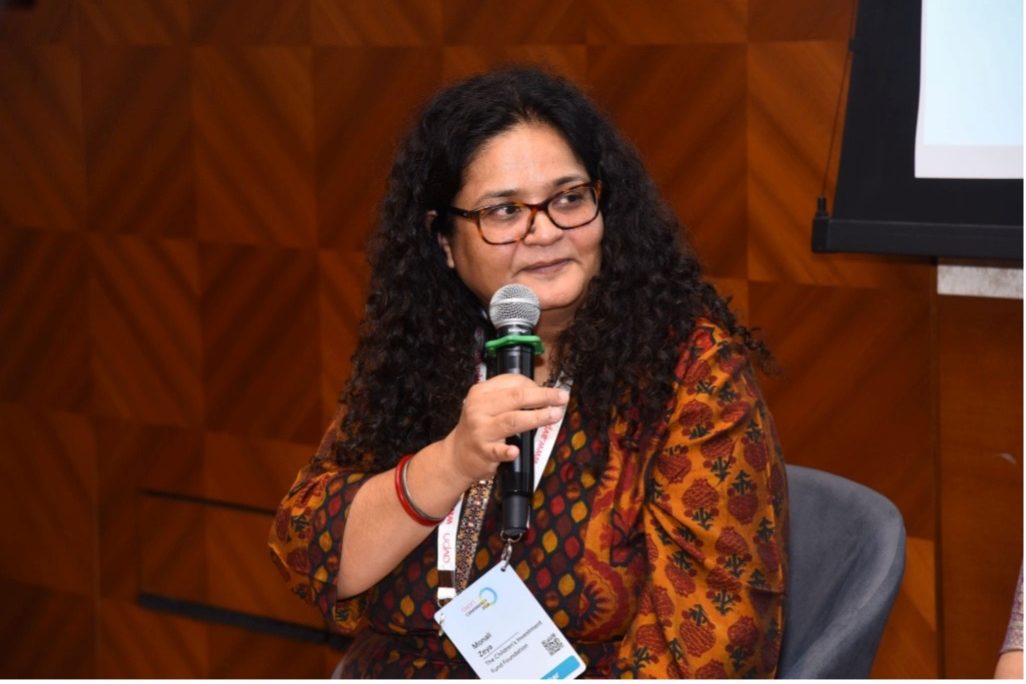
Monali Zeya Hazra, Director, Climate – India, CIFF, spoke about SuCRIT, an initiative supporting six states in turning national climate and development ambitions into real, state-led clean-growth pathways.
“Philanthropy's unique role in bridging the gap between an early idea and the point where commercial capital is ready to step in — giving governments room to test approaches and build solutions up to a scale that attracts private investment, while helping strengthen institutions, build evidence, prepare projects, and develop capacity, all while states retain ownership and accountability.
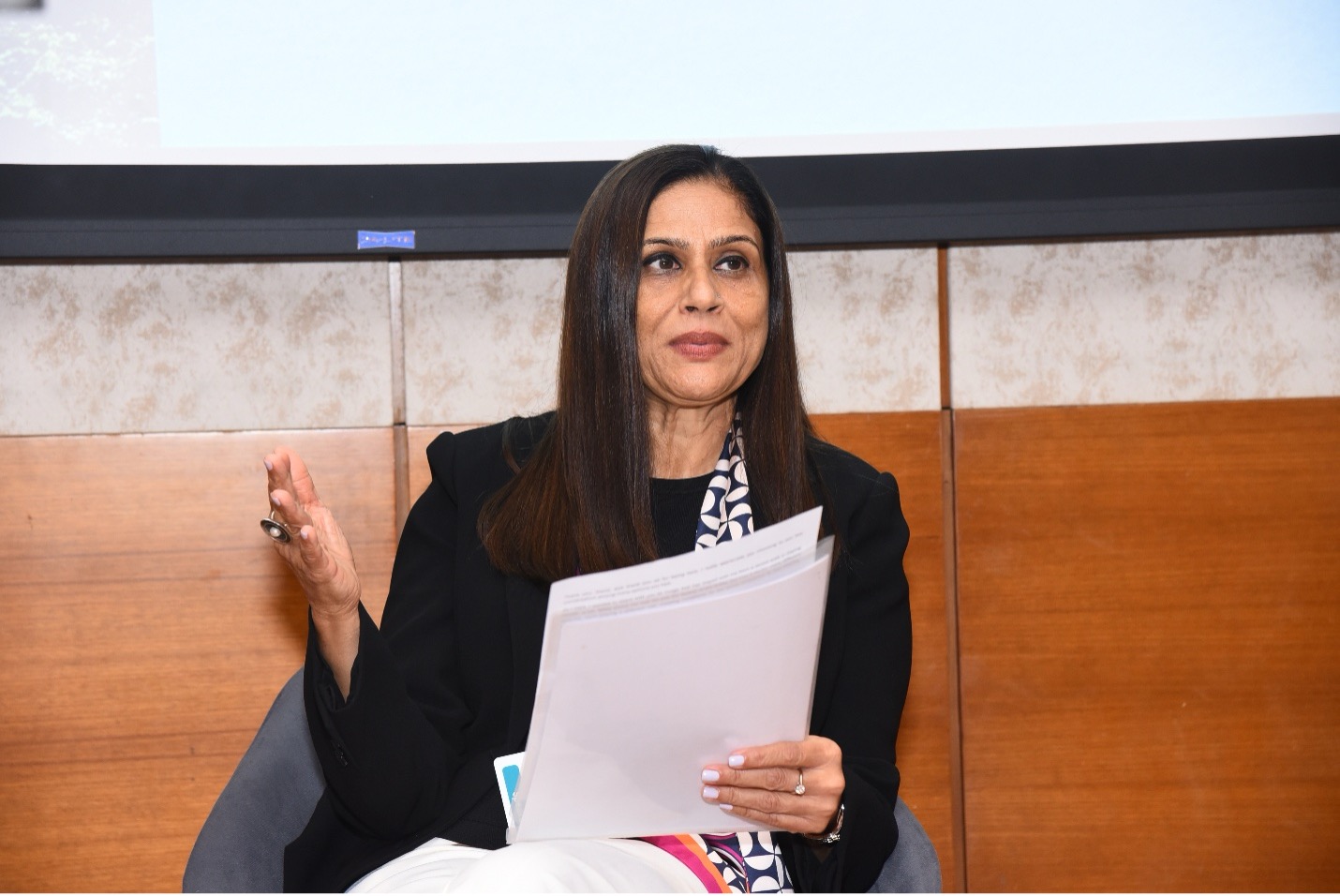
Vimmi Malhotra, Global Director, Organisation and Ecosystem Development, CIFF, led a breakout session on strategies for scaling ecosystem-level impact and made the case for investing in the backbone of the development sector, not just its programmes. Ecosystem strengthening, she explained, includes investments that may not sit neatly inside a programme grant — intermediaries, shared services, leadership pipelines, communities of practice, and knowledge infrastructure.
“These investments rarely make headlines, but they're what make scale, resilience, and collaboration possible; if organisations are to move beyond surviving grant to grant, the sector needs to invest in the backbone that helps the wider ecosystem function.
Looking Ahead
From a new report on embedding outcomes-based financing in India’s fiscal architecture to the launch of the Sangam Collaborative, AVPN 2026 was a reminder that lasting impact depends on systems, not just single interventions. And on partners willing to invest in the parts of the ecosystem that don’t always make headlines. CIFF looks forward to carrying these conversations forward with our partners across government, philanthropy, and the private sector.