Climate action
Climate change threatens children’s health, disrupts education, undermines food and water security. Therefore, climate change demands a rapid response, to deliver a prosperous future that works for everyone – providing economic opportunities, and ensuring children can navigate the decades ahead securely.
Introduction
The social and economic impacts of global warming are undeniable, and it’s those who have contributed the least to climate change who feel the worst of its impact – in particular, children.
For this reason, climate action is central to CIFF’s work.
Philanthropy has the ability to connect organisations, scale evidence and unlock resources, creating a unique opportunity to accelerate the global response to climate change.

Investment case
Taking climate action can create a safe and prosperous future for us all. Here are some examples of why a healthy and stable climate is critical for a world where all children can thrive.





Rising temperatures are leading to deadly heatwaves, increased air pollution, worsening nutrition, threats to maternal and newborn health, and changes in how and where the diseases, including malaria and dengue, are spreading.

Since the 1990s, the rate of heat-related deaths has surged 23% to 546,000 per year.
One child dies every minute due to air pollution, the second-leading cause of death in young children, after malnutrition.
Action to reduce greenhouse emissions and strengthen health systems will not only prevent risks – it will help build a world where everyone can thrive.
Extreme weather events caused by climate change have enormous effects on the availability and quality of food necessary for healthy growth and development.
UNICEF projects that by 2050, climate change will leave an additional 28 million children suffering from wasting and 40 million affected by stunting globally.
Climate change is also projected to worsen childhood overweight and obesity as traditional food systems fail, dietary intakes of ultra-processed foods increase, and children have fewer opportunities for physical activity.
Climate action helps keep food production secure and affordable, and ensures that children have the nutrition they need to thrive.
A successful climate transition isn’t just about cutting emissions – it is about creating opportunity. When social inclusion and economic equity are prioritised, the shift to a low-carbon economy can unlock significant growth.
The World Economic Forum projects that by 2030, the green transition could generate 9.6 million new jobs globally, with five new roles emerging for every one phased out.
Action on climate offers a chance to build a future that is both sustainable and fair.
Women and children are 14 times more likely to die from weather disasters than men.
4 out of 5 people displaced by the impacts of climate change are women and girls.
Action to mitigate climate change is essential for building a fair world where women and girls have opportunity and choice.

Our climate priorities
Accelerating clean technology across key sectors
Our goal: To help critical sectors rapidly reduce greenhouse gas emissions, by enabling them to embrace innovation.
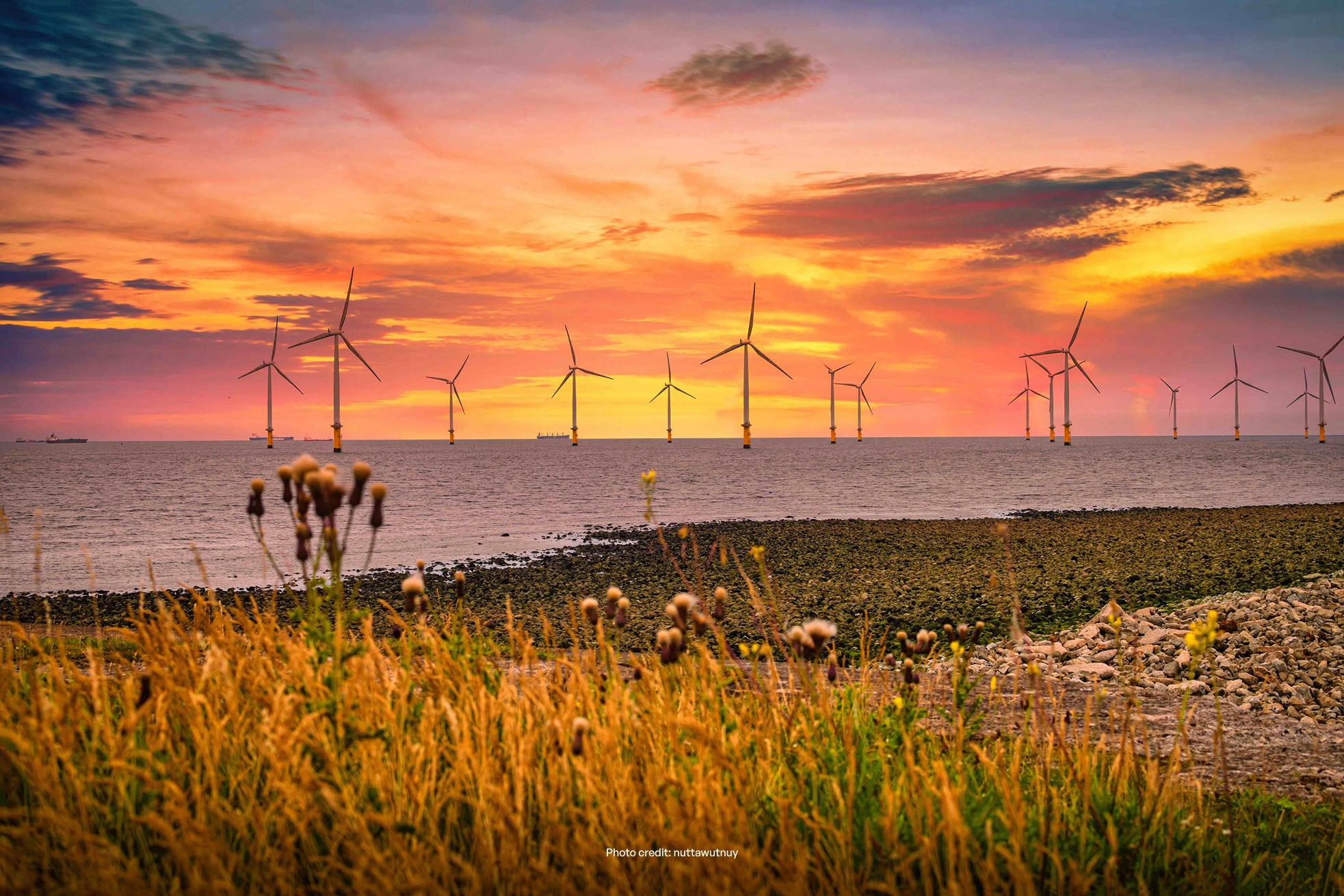
Key sectors in our economy – such as energy, industry, transport, buildings and land use – are driving global greenhouse gas emissions. However, these sectors also power our economies and our daily lives.
To reduce their climate impact, critical sectors need to deploy clean technology rapidly. That might mean investing in low-carbon steel, electric vehicles, or roof-top solar panels; the solutions are numerous.
At CIFF, we are solution agnostic. We support partners to scale innovation that is backed by evidence. This requires smart policies and collaboration between public and private sectors. That’s why we partner with organisations that bring technical knowhow to accelerate technology adoption at pace and scale.
40.9%
The world surpassed 40% in clean power as renwables and nuclear provided 40.9% of the world's electricity generation in 2024.

Supporting the climate transition in specific regions and countries
Our goal: To ensure global knowledge and climate solutions are tailored to specific local contexts, and demonstrate that economies can deliver prosperity for citizens while limiting emissions.
Investing in green growth is the best way to ensure every country, and every child, can reach their full potential. But no two regions or countries are the same. Energy systems, transport networks, and economic priorities differ, so each transition must reflect its unique context.
To make this happen, we must prioritise regional, national and local needs while sharing ideas and raising international standards. This cross-pollination helps every country progress along its own pathway.
At CIFF, we fund partners who embrace this approach – supporting growth and development that aligns with national priorities, creates jobs, and protects delicate natural ecosystems for future generations.
Read more on our specific approach to climate in Europe, East and South East Asia, China, Africa and India.
Building climate participation
Our goal: To ensure everyone is able to participate in the climate transition.
Climate change cannot be solved in isolation. It requires action at every level: from individuals and communities to global governance. It also needs to work for everyone, which starts by making sure that every voice is heard.
Whether it’s improving accessibility to multilateral spaces (such as the COP climate summit) for children and youth, or amplifying local stories of climate impacts and solutions, our partners are helping to build both understanding and participation.
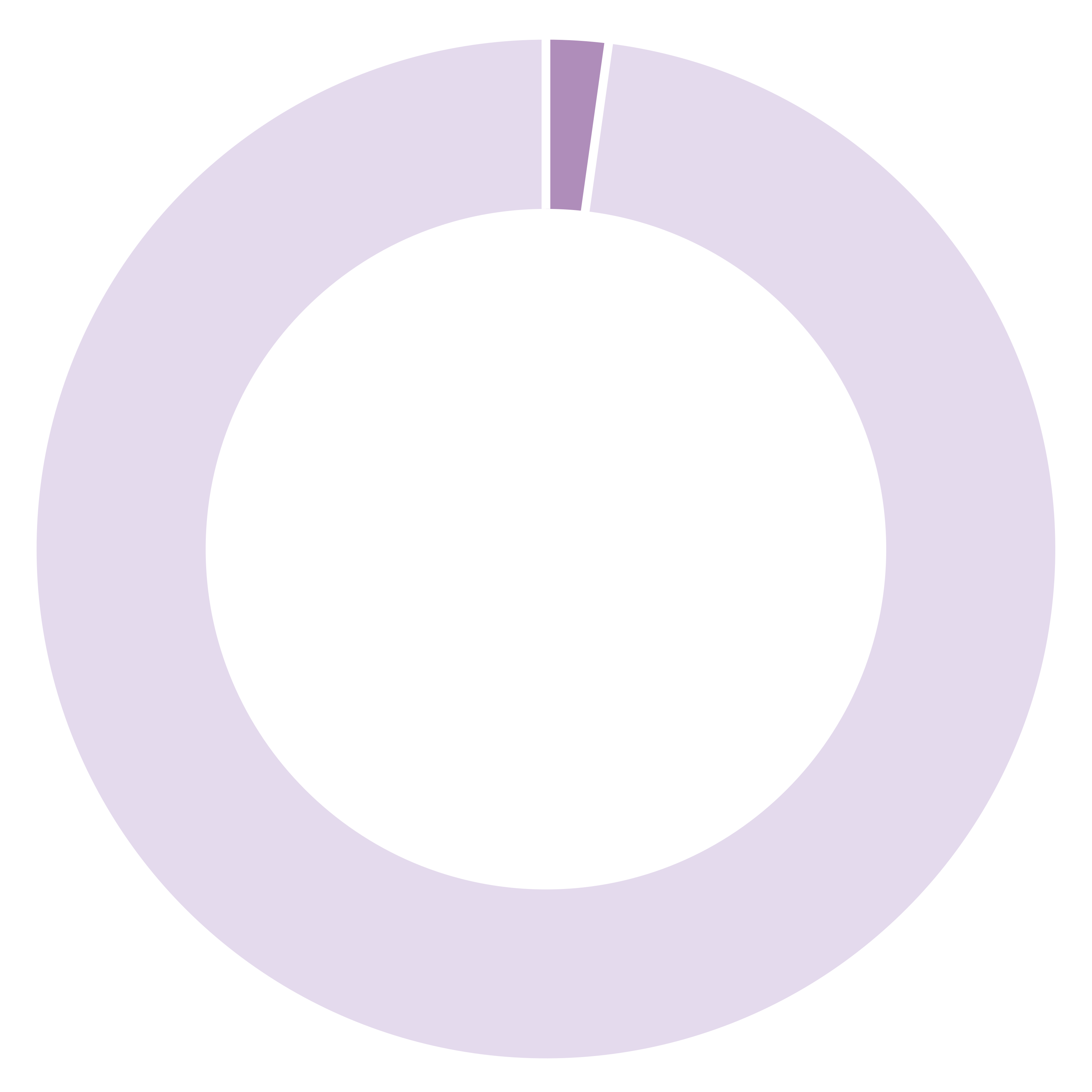
We are also focused on mobilising resources. Currently, less than 2% of philanthropic funding goes towards climate mitigation, and we are far from the trillions of public and private dollars needed to power the climate transition. We work with partners to help unlock the additional resources required to deliver a low carbon, equitable and prosperous world.
Less than 2%
of global philanthropic funding goes towards climate mitigation.
CIFF’s approach to climate action

Working as a bridge-builder
Across our climate priorities we collaborate with stakeholders from all sectors – working with governments, non-profits, businesses, and philanthropy. We also help connect the dots between climate and CIFF’s other priorities, including health and nutrition, and women and girls.

Bringing evidence to scale
All the work we do on climate is underpinned by data and evidence. There are decades of real-world evidence, which demonstrates that climate action delivers benefits for both people and the planet. We focus on proven climate solutions and accelerate their impact and reach, while simultaneously helping to expedite promising innovations.

Listening to those with expertise and experience
Our grant making builds on the work of world-leading climate specialists, but also the lived experiences of individuals experiencing climate change. We are guided by shared priorities and committed to ensuring solutions are designed with, and are for, everyone.
Related regions and programmes
Read more about climate action in the different regions and areas we work.
Climate team
CIFF’s climate team works globally, with staff in Europe, Africa and Asia.








Other global opportunities