East & South East Asia
Helping create a healthier, more climate-resilient future enabled by green growth.

Introduction
East and South East Asia are acutely vulnerable to climate change. They also have a significant opportunity to build prosperity and resilience through green growth.
That’s why CIFF provides support to partners across the region – including governments, non-profits, businesses, and philanthropy – to implement evidence-based solutions for climate action.
In addition, we are building our work in health and nutrition within the region, to ensure children receive access to life-saving interventions.
Investment case
The following examples illustrate why a healthy and stable climate is critical for children in the region. Combining climate action with health and nutrition interventions ensure children can thrive today and in the future.




Asia is warming nearly twice as fast as the global average, with urban centres including Seoul, Tokyo, Manila, Jakarta and Phnom Penh projected to become significantly hotter, with an extra 2°C to 7°C on top of global warming.

Rising temperatures are fuelling increasingly frequent extreme weather events and wreaking a heavy toll on the region’s economies, ecosystems and societies.
Acting to mitigate climate change means cooler, safer cities, stronger communities, and a future that is both climate-secure and opportunity-rich.
Improving air quality in countries in East and South East Asia is predicted to save millions of lives. In Indonesia alone, up to 200,000 premature deaths annually could be prevented through reducing air pollution.
At the same time, recurring climate-induced disasters disrupt education by damaging school infrastructure and interrupting learning.
In 2024, more than 50 million students in East and South East Asia experienced school disruptions due to climate hazards.
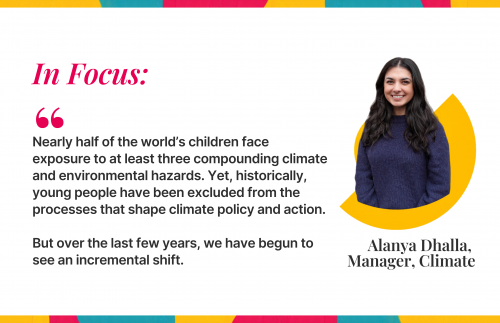
Investing in climate action not only protects children’s health – it also keeps them in school, supporting stronger learning outcomes and educational progress.
By accelerating the electric vehicle rollout, countries in East and South East Asia could generate $120 billion in economic value by 2030.
In addition, six million jobs in renewable energy are projected to emerge in East and South East Asia by 2050.
At the same time, action on air quality could save countries millions through reduced pressure on health services: Indonesia, Thailand and Cambodia could save nearly $60 billion combined in healthcare costs through the year 2030.
Key priorities
CIFF’s work in East and South East Asia focuses on empowering local organisations to lead.
Accelerating clean technology across key sectors
Our goal: To accelerate the energy transition, by scaling the deployment of renewables and technology.
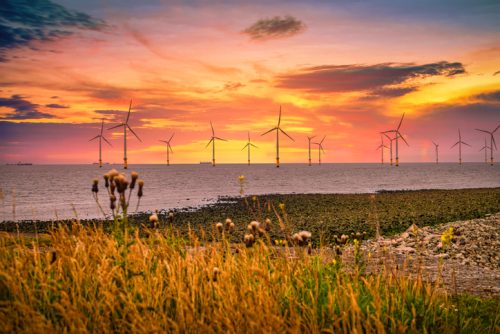
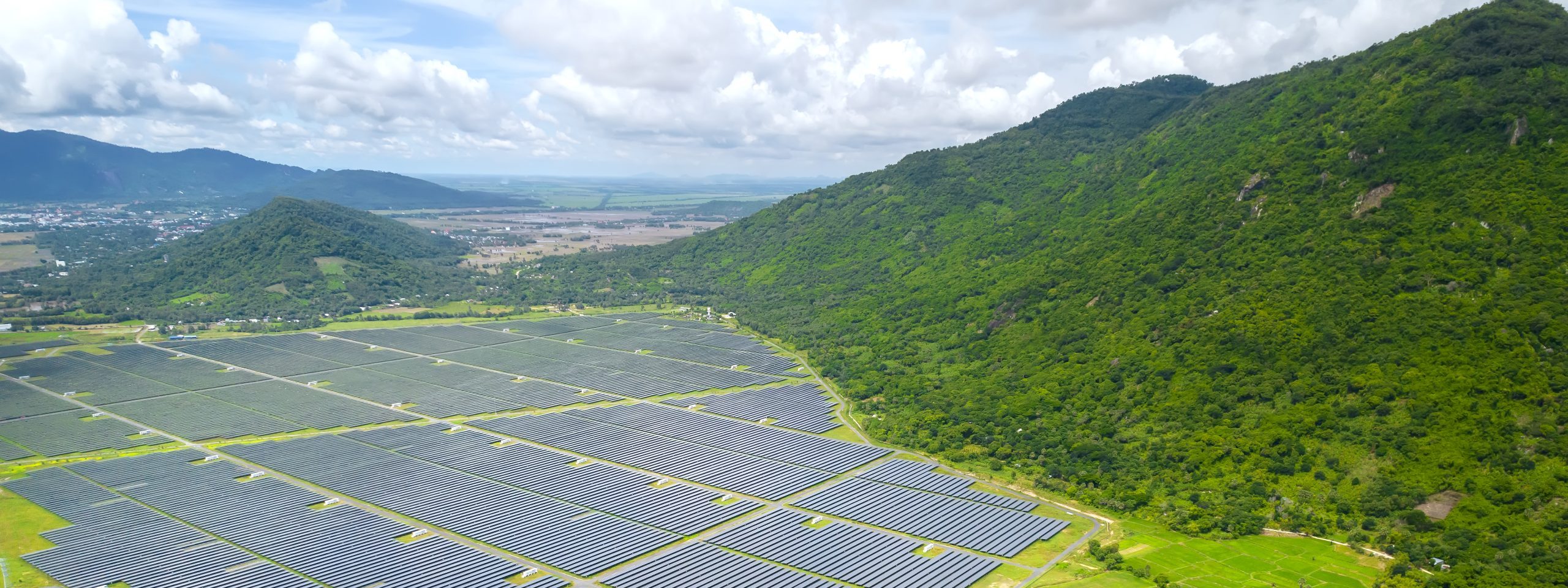
CIFF’s partners work across East and South East Asia to help shift energy sources away from fossil fuels and towards clean energy such as wind and solar. Scaling renewables, enabling the transition of high-polluting sectors, and mobilising finance are all essential to unlocking green growth. Our support focuses on technical expertise and analysis to enable clean technologies to be deployed at scale, unlocking high-quality growth.
57% rise
Clean energy investment in Southeast Asia reached USD $47 billion in 2025, up from $30 billion in 2015, a 57% rise over the decade.

Driving forward a just energy transition
Our goal: To support a fair, inclusive shift from fossil fuels to clean energy.
A just energy transition means ensuring the move to renewables occurs in a way that protects communities, supports workers, and strengthens long-term development. In East and South East Asia, our partners work to ensure the benefits of the transition – jobs, cleaner air, and economic resilience – are shared widely.
Through our grants, we support partners to minimise the negative impacts and maximize the opportunities of the energy transition. This includes conducting research and dialogues with government and private and public stakeholders, to ensure that new renewable energy initiatives are people-centric and implemented responsibly, with safeguards for vulnerable workers and the most impacted communities.
Strengthening nutrition
Our goal: To ensure access to nutritional products for vulnerable populations.
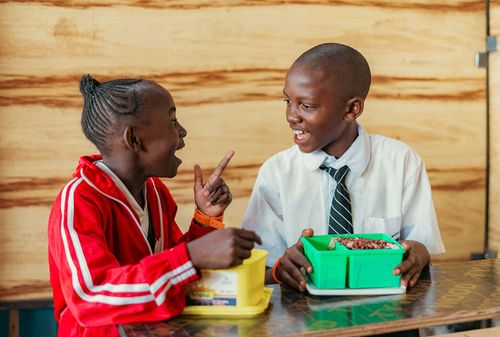
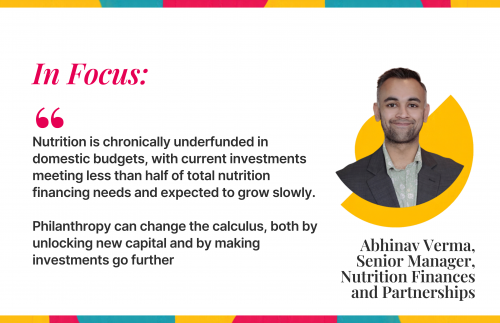
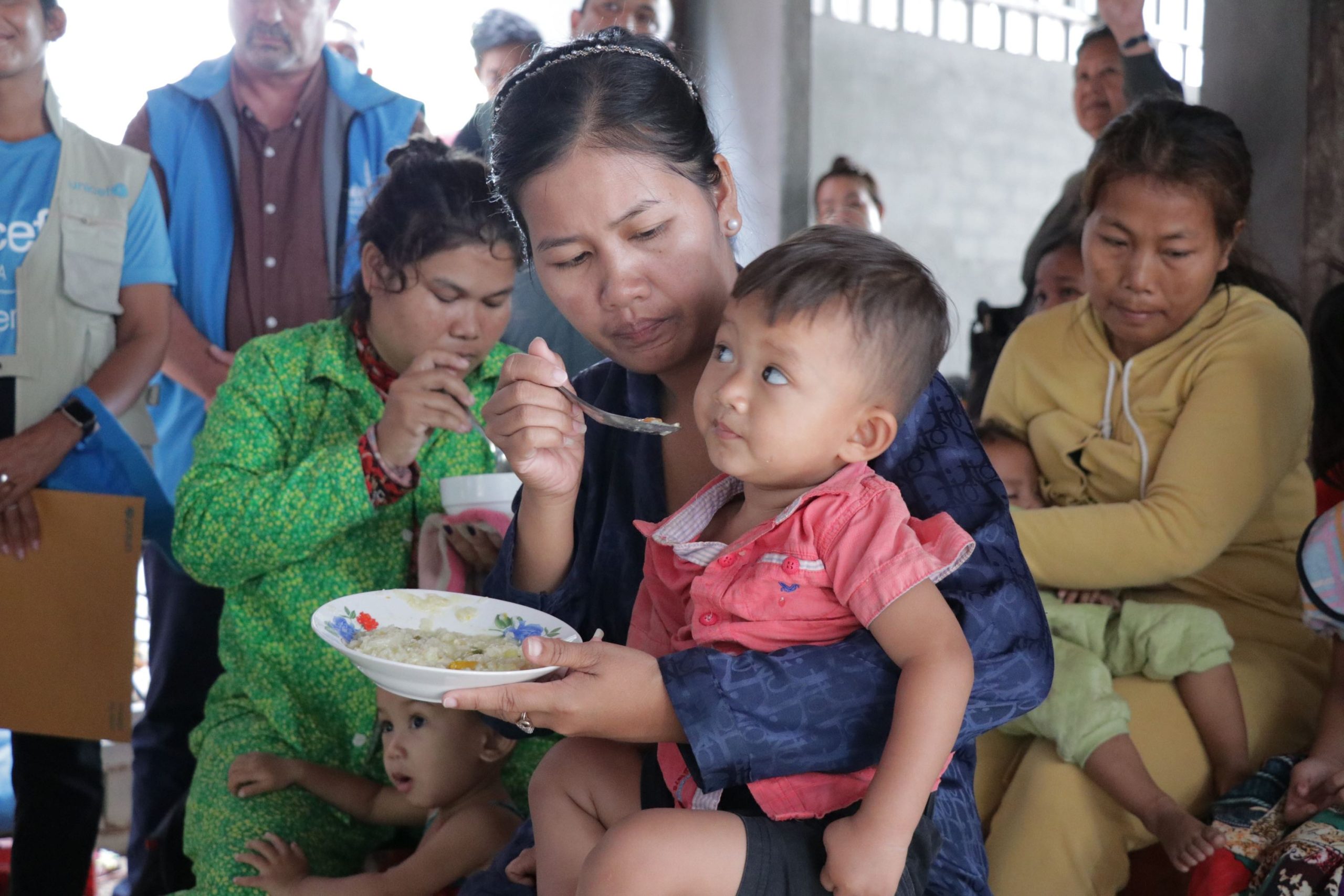
In East and South East Asia, CIFF works with partners to help ensure nutritional supplements and therapeutics reach those who need them most – quickly and at scale, while strengthening the overall delivery system. This is primarily through our partnership with the Child Nutrition Fund (CNF), implemented by UNICEF, which coordinates global investments, matches domestic contributions, and strengthens local supply chains to ensure sustainable access to essential nutrition.
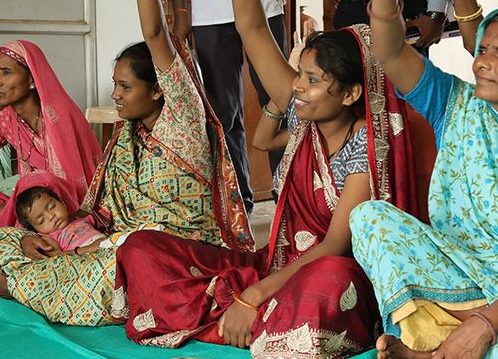
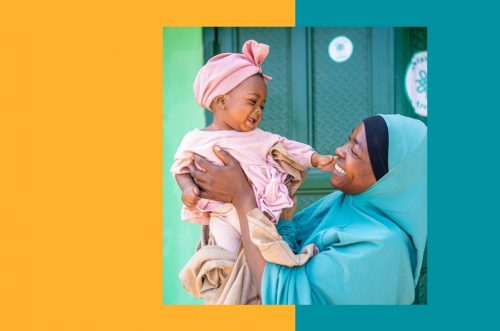
We are also scaling our efforts to expand access to multiple micronutrient supplements (MMS) in the region. This innovative product was created to help provide pregnant women and newborn babies with the right nutritional benefits for both a healthy pregnancy and a healthy start in life.
CIFF team
CIFF’s work in East and South East Asia is led by senior staff in the region and our global team, who work closely with our network of partners









Related regions and programmes