Girls’ education: unlocking the demographic dividend through girl capital


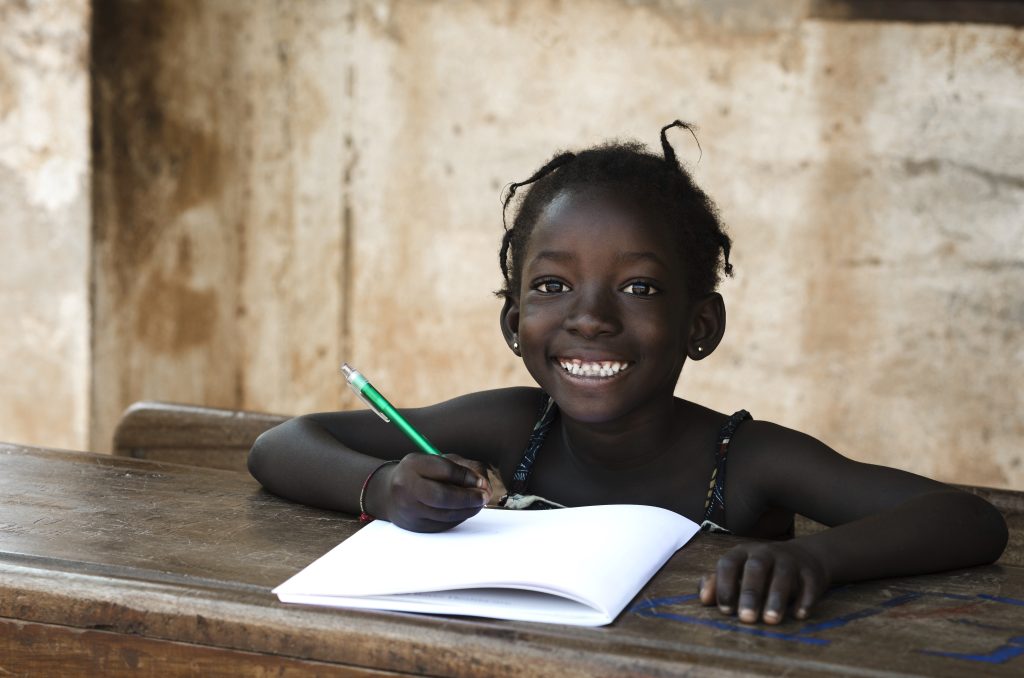
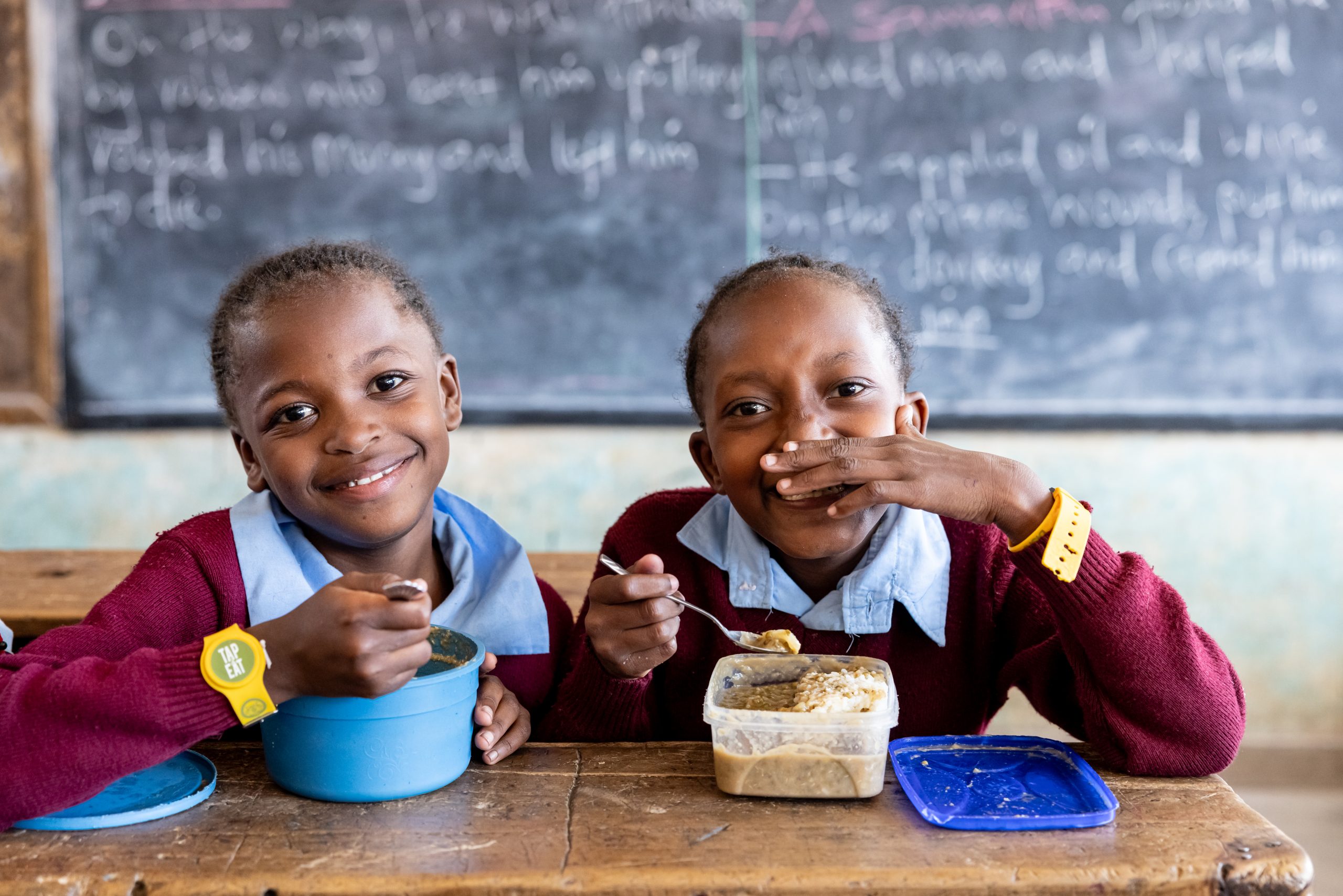
Across sub-Saharan Africa, girls’ education remains one of the most powerful and underutilised levers for long-term social and economic transformation. Yet despite progress in primary enrolment, too many girls still do not complete their education. Just over two-thirds of girls complete primary school, and fewer than four in ten complete lower secondary education. Adolescence remains a critical breaking point, where poverty, early marriage, pregnancy, and entrenched gender norms push girls out of school, often at the moment when their education matters most.
When girls leave school early, the consequences extend far beyond education alone. Early school drop-out is closely linked to child marriage, early pregnancy, reduced lifetime earnings, and lower participation in the formal labour force. These outcomes reinforce cycles of inequality. They limit women’s agency, and constrain countries’ ability to realise the demographic dividend that comes from a healthy, skilled and economically active population.
Education systems themselves often struggle to meet girls’ needs. Overcrowded classrooms, under-resourced schools and weak learning outcomes mean that even girls who remain enrolled may not acquire the skills and confidence needed to thrive. Where education feels irrelevant, unsafe or low quality, families are less likely to prioritise girls’ schooling, particularly when economic pressures are high.
Addressing these challenges requires more than getting girls into school. It demands sustained investment in education quality, alongside the life skills, economic opportunities, and norm change that enable girls to stay in school, delay marriage and pregnancy, and transition successfully into adulthood.
Education is one of the most powerful force multipliers for girls’ health,
economic participation and long-term opportunity. Yet across sub-Saharan Africa, too many girls are pushed out of school before they complete secondary education, often due to poverty, early marriage, pregnancy, and even deeply entrenched social norms. When girls leave school early, the consequences ripple across generations.
CIFF’s Girl Capital strategy responds to this challenge by placing girls’ education at the centre of a gender-transformative approach to development. Grounded in evidence and shaped through local leadership, Girl Capital focuses on keeping girls in school longer and supporting the transition from education to economic participation.
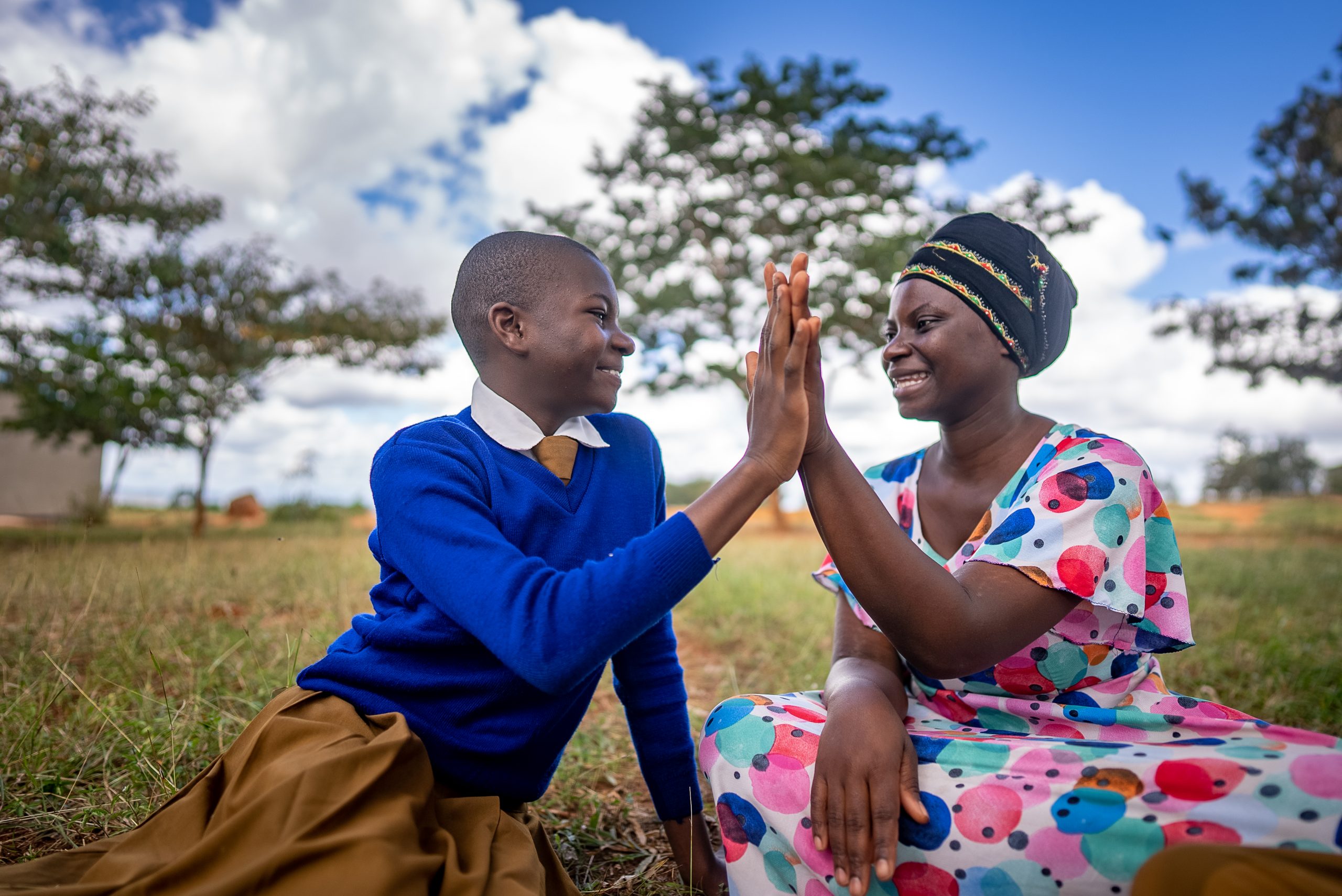
In Africa, this approach is reflected in CIFF’s support of organisations such as CAMFED, which works across multiple countries to support girls from the most marginalised rural communities to complete secondary school and build futures beyond the classroom. CAMFED’s model addresses the real barriers that force girls out of education – including school fees, transport costs, food insecurity, and lack of menstrual supplies – while also providing mentorship, protection from gender-based violence, and strong links to families, schools and local authorities.
Through Girl Capital, CIFF supports and learns from these locally led, scalable approaches, working alongside governments and delivery partners to ensure that gains in girls’ education translate into healthier families, stronger labour forces, and more inclusive growth. By investing at critical transition points along a girl’s journey from school to work, Girl Capital helps unlock Africa’s demographic dividend, ensuring that girls not only stay in school, but are able to shape the future of their communities and countries.

Partners



Governments play a central role in shaping education systems, setting policy priorities, and delivering services at scale. Through Girl Capital, CIFF works alongside government partners to align investments with national education strategies, such as partnering to support the Imagine Worldwide initiative in Malawi with a $120 million investment to help children build the literacy and numeracy skills needed to achieve their full potential.
Philanthropic capital contributes to long-term, flexible investment in blended approaches in support of local government objectives. Through Girl Capital, philanthropy supports innovation, evidence generation, and early implementation, helping to de-risk models that can later be adopted and scaled through public systems.

Local and regional organisations bring deep contextual knowledge and trusted relationships with communities, schools, and families. Through partnerships with education providers, women’s rights organisations, and youth-focused groups, Girl Capital supports locally led solutions that respond to the realities girls face, from safety at school to the quality of education, and the social norms around marriage, work, and caregiving.
Every year, Girl Capital supports one million girls to remain in education pathways, reducing drop-out during the most vulnerable years, helping more girls complete secondary education and acquire foundational skills for life and work. This is alongside a recent commitment to fund an additional one million girls per year to have access to digital education.
Education, paired with skills and income pathways, increases girls’ future earning potential and labour force participation, a critical driver of poverty reduction and economic growth. The World Bank estimates that closing gaps in girls’ education and skills could unlock up to $2.4 trillion in additional income in Africa by 2040.
Through community engagement and positive role modelling, Girl Capital helps to reposition girls as important stakeholders of, and recognised contributors to, their families, communities, and national development.
For children,
education is the key to their future and the future of their communities. When girls stay in school, the effects ripple across generations, strengthening households, communities, and entire national economies.
By investing in girls’ education today, CIFF’s Girl Capital workflow helps to ensure that more children grow up in families with higher stability, greater opportunity, and more choice. This is how education becomes a foundation for lasting, intergenerational change.