London Climate Action Week 2026: Putting Children at the Centre of Climate Action
Reace Novello


London Climate Action Week (LCAW) has become one of the most important moments in the global climate calendar, bringing together governments, civil society, philanthropy, businesses, researchers, and communities to exchange ideas, strengthen partnerships, and explore solutions to climate challenges. As attention increasingly turns towards COP31 and other major international milestones, this year’s discussions reflected both the urgency of need in addressing climate change and the growing determination to accelerate action.
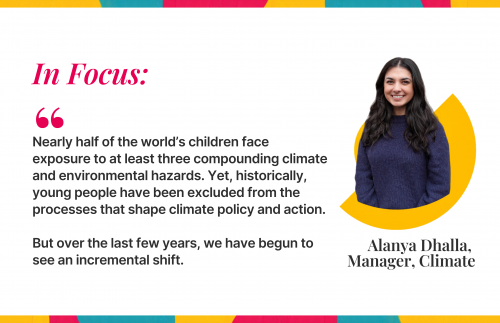
For CIFF, LCAW provided an opportunity to help ensure that children remain central to these conversations. Climate change is already reshaping the systems children rely on. Yet children and young people are still too often excluded from decisions about the future they will inherit. Across the week, a common theme emerged: climate action is most effective when it reflects the realities of children’s lives and meaningfully includes their perspectives.
Children at the Centre of Climate Action

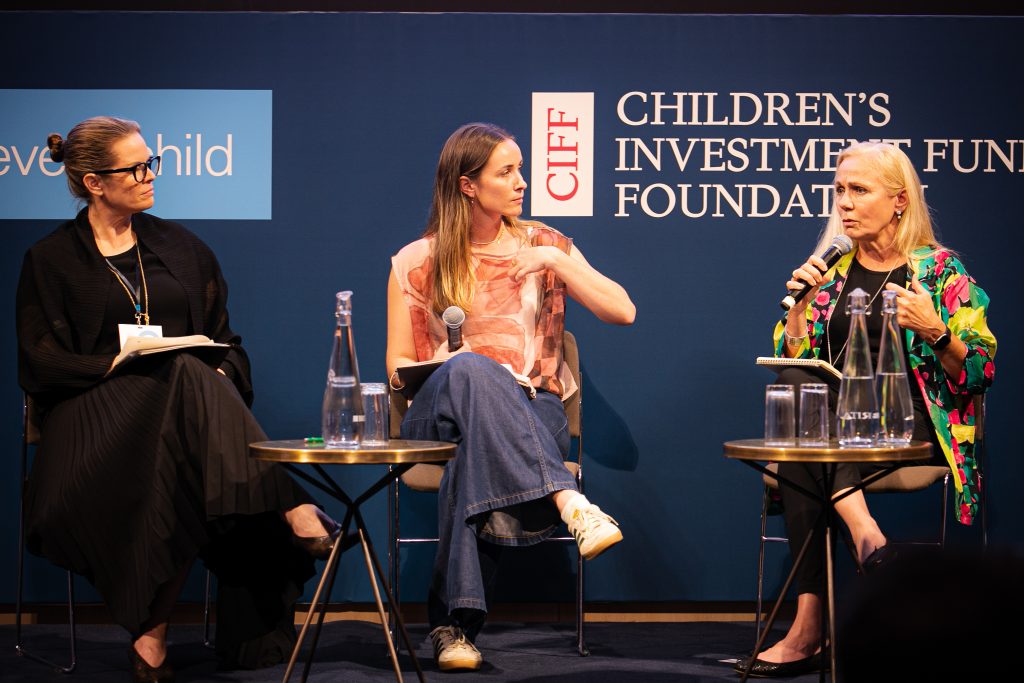
This message was at the heart of a discussion co-hosted by CIFF and UNICEF, A World Where Children Can Thrive: Why Climate Action Can’t Wait. Speakers explored how climate change is disrupting the systems that support children’s wellbeing, affecting everything from health and nutrition to education, water security, and future opportunity. The discussion highlighted the need to integrate children’s needs into climate policy, financing, and implementation.
A clear message came through: climate action is essential to creating a world where children can grow up safe, healthy, and able to thrive. As climate impacts intensify, the consequences for children will become increasingly severe unless action is taken now. The event reinforced the importance of moving beyond consultation towards genuine participation, recognising that children and young people bring valuable insights into how climate change is affecting their communities and can also help shape more responsive and effective solutions.
This theme continued throughout the week in conversations on youth leadership in climate and water. Young leaders from Cambodia, Nigeria, Ghana, and the Arab region shared their experiences of climate change and offered practical recommendations for how institutions, funders, and policymakers can better support youth-led action. The message was clear, that participation is most meaningful when young people are trusted not only to contribute ideas, but to help shape decisions from the outset.
Water, Climate, and Children’s Futures

Water was a recurring theme throughout the week. For millions of children, climate change is experienced most directly through water insecurity. Droughts, floods, and changing rainfall patterns affect access to safe drinking water, sanitation, nutrition, education, and health services. UNICEF predicts that by 2040, 1-in-4 children worldwide will be living in areas of extremely high water stress.
Discussions during LCAW reinforced the importance of viewing water not simply as an environmental issue, but as a foundation for human development and climate resilience. Whether through policy discussions, youth engagement, or thought leadership, the week highlighted how investments in water systems help strengthen communities whilst improving outcomes for children.
From Ambition to Delivery

As discussions increasingly look towards COP31, attention is shifting from setting targets to delivering results. During a Financial Times panel exploring the future of global climate action, participants, including CIFF CEO, Kate Hampton, reflected on both the progress enabled through international cooperation and the barriers that continue to slow implementation, particularly in emerging markets.
Participants acknowledged that many of the technologies and solutions needed already exist. The challenge is in ensuring that finance, policy, infrastructure, and delivery mechanisms work together effectively enough to deploy those solutions at the pace and scale required. For children, these questions are far from abstract. Their health, education, safety, and long-term opportunities will be shaped by how successfully the climate transition is delivered.
Looking Ahead
A common thread running through many of the week’s discussions was the importance of collaboration. Whether the focus was children, water, climate finance, or youth participation, participants repeatedly returned to the need for stronger partnerships, shared ownership, and coordinated action.
As attention turns to COP31 and other major international moments, the challenge will be translating dialogue into delivery. When solutions exist the focus must shift to scaling them. By keeping children’s needs, perspectives, and futures at the centre of climate action, we can help build a world where every child can grow up safe, healthy, and able to thrive.