Sexual and reproductive health and rights
Universal access to sexual and reproductive health and rights (SRHR) is an essential foundation of healthy and prosperous lives.

Introduction
Millions of people want to access comprehensive SRHR but aren’t able to. CIFF works with partners across governments, the private sector and civil society to remove barriers to access through sustainable financing, resilient supply chains, and integrated delivery of family planning and HIV care across wider health services.
Investment case
Over the past decade, access to SRHR services has expanded to millions more people, alongside stronger commitments to equity and individual empowerment. Looking ahead, we’ve created opportunities alongside partners to accelerate progress through new service delivery models, greater choice and innovative financing that can expand access for millions more people.




Since 1990, the number of women using modern contraceptive methods has increased from 467 million to 874 million in 2022. There has also been a worldwide decrease in unintended pregnancy.

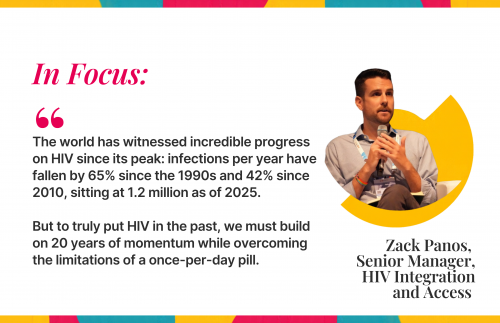
Between 2010 and 2024 the number of people acquiring HIV fell by 40%.
But there’s still progress to be made by scaling SRHR initiatives. Every two minutes a woman or girl dies from preventable causes related to pregnancy or childbirth.
Additionally, 4,000 girls and young women became infected with HIV every week in 2024, with 3,300 of these infections occurring in sub-Saharan Africa.
For every $1 invested in family planning and maternal health, there is a $8.40 return in economic benefits. For every $1 spent on contraception services, the costs of pregnancy-related and newborn care are reduced by $3.
Preventing the spread of HIV is also a crucial driver of progress. For example, if HIV funding targets are met in South Africa, GDP is forecast to be 2.8% higher in 2030. This is equivalent to a gain of over $17 billion in a single year.
Our SRHR priorities
Breaking the cycle of HIV transmission by 2030
Our goal: To end HIV as a public health risk through expanded testing, treatment and scaled prevention.
CIFF works with partners on a mission to break the cycle of HIV transmission by 2030. With over 40 million people living with HIV globally (UNAIDS) and the majority of those impacted living in Sub-Saharan Africa, ending transmission is a crucial target to accelerate progress towards all global health goals.
Our work focuses on two pillars:
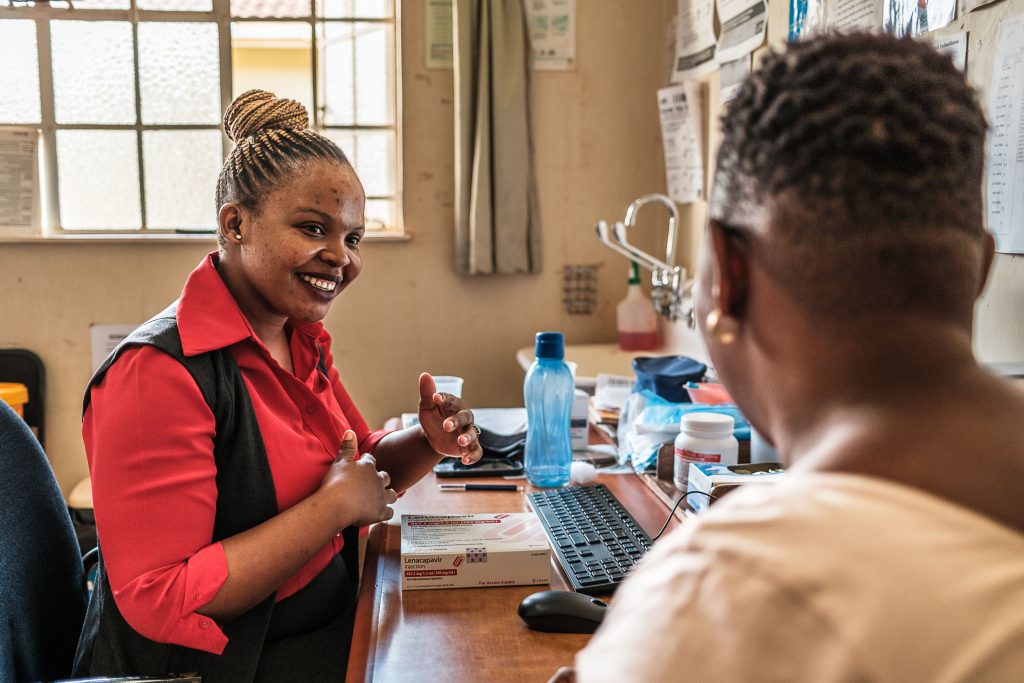
- Test & Treat: Working to close testing and linkage gaps in high-incidence populations to ensure early diagnosis and sustained access to treatment.
- Prevent: Helping to rapidly scale up effective prevention tools, including pre-exposure prophylaxis (PrEP) and new multi-purpose options, to reduce new infections.
Increasingly, our work on HIV includes integrated efforts to end tuberculosis (TB). This builds on our experience in diagnostic innovation, working with the sector to accelerate access to life-saving technologies and promote integration across health systems and disease areas.
Building sustainable family planning access and financing
Our goal: To accelerate modern contraceptive prevalence (mCPR) in Africa from below 20% to 50% by 2030.
Our work to build sustainable family planning access and financing focuses on two pillars:
- Supply and financing
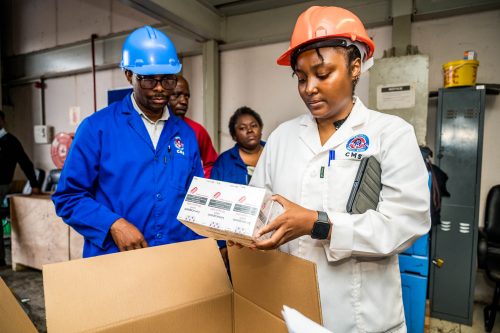
The fragile and unreliable product ecosystem is a critical barrier to access, reliant on a few donors and increasingly vulnerable to funding cuts, stockouts and supply shocks. CIFF is working with partners to increase sustainable financing, with stronger domestic funding and more resilient supply chains. - Access
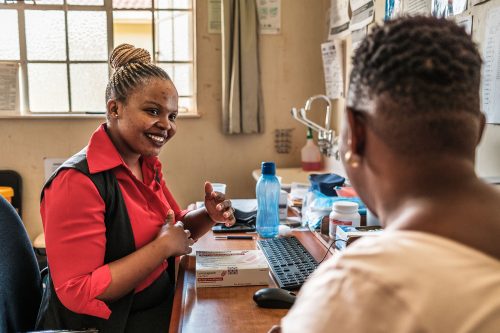
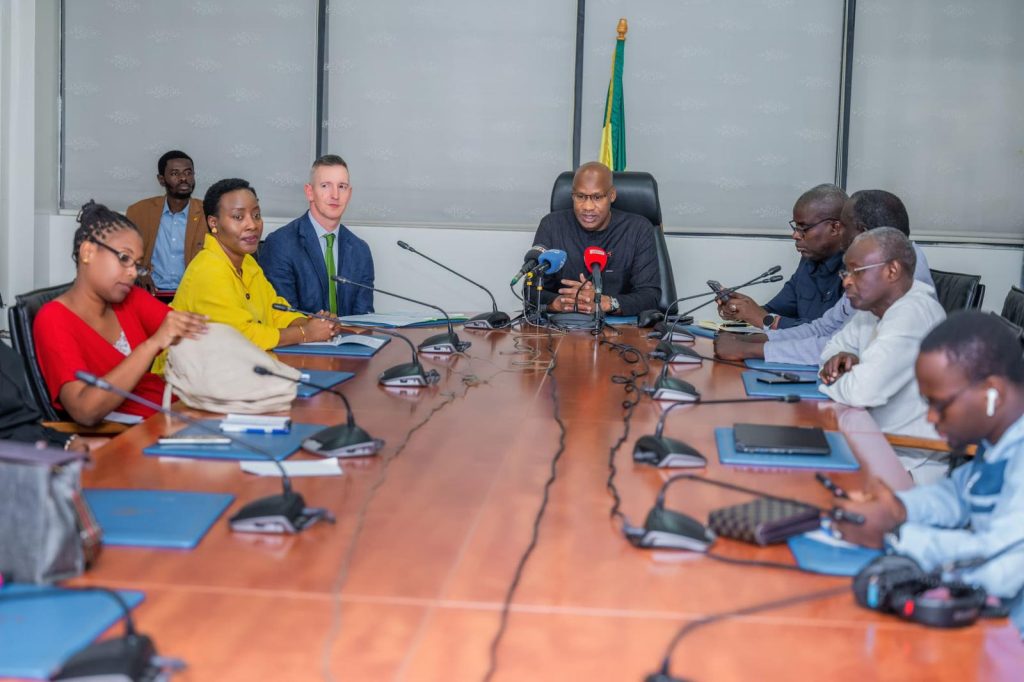
CIFF partners with governments in six priority countries in west and central Africa through its modern contraceptive prevalence (mCPR) programmes, driving national and subnational shifts in contraceptive use. Self-care is a focus of this work, putting contraceptive choices directly in the hands of women and girls.
Product innovation
Our goal: To support the development of innovative products that increase SRH options and help everyone choose the method that works for them.
CIFF’s work in product innovation supports all our work on SRHR by ensuring a secure supply of quality-assured, affordable products. We work to increase the range of options and develop partnership models which can reduce price points, thereby strengthening supply security and expanding choice.
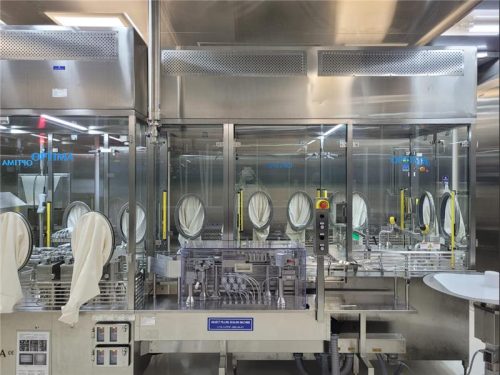
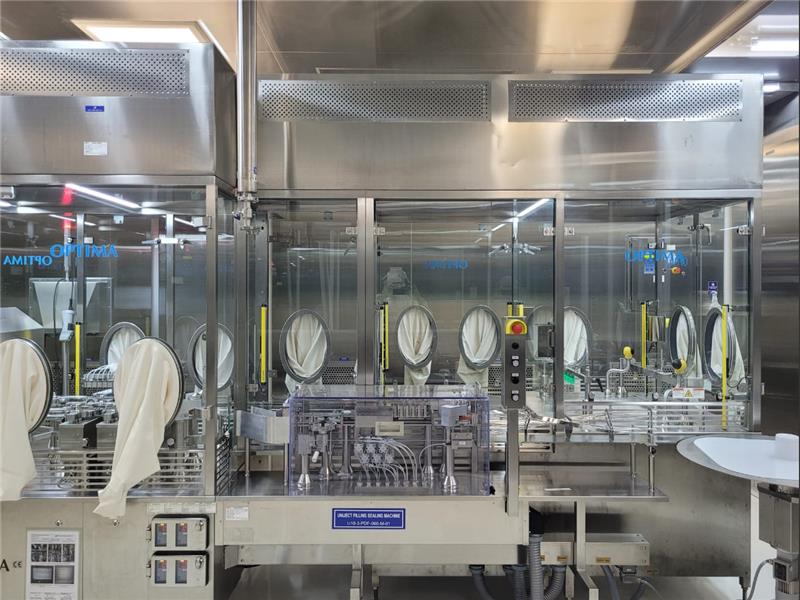
We work with partners to invest in research, design and clinical trials to bring new contraceptive options to market, prioritising usability and affordability. We work with manufacturers to secure a sustainable supply through capacity expansion, as well as with local manufacturers to strengthen regional resilience. This includes investing in African and Asian manufacturers to produce quality-assured contraceptives at reduced cost, enhancing long-term sustainability.
Our approach

Scaling what works
There is a significant body of evidence which proves the value of SRHR interventions for individuals and society. That evidence base is the foundation of our work as we aim to accelerate global progress towards universal SRHR. At every stage, we prioritise interventions that will enable change on a large scale, whether that’s integration with government health services or unlocking global finance.

Working as a bridge-builder
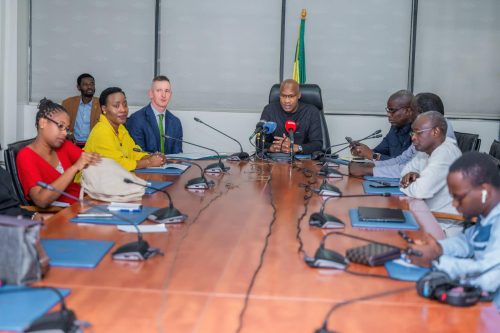
We work with partners in every part of the ecosystem, from university research institutions and pharmaceutical companies to NGOs and governments. By connecting the dots between these partners, we can unlock faster and more sustainable increases in SRHR access.

Prioritising local ownership with a global innovation
The most sustainable route to securing access to SRHR is through domestic finance and thorough integration in health services. However, the pressures on fiscal space for lower-income countries mean that donors still play an important role in ensuring health access. All donors can prioritise interventions that increase local ownership whilst unlocking change at a global level.
SRHR team
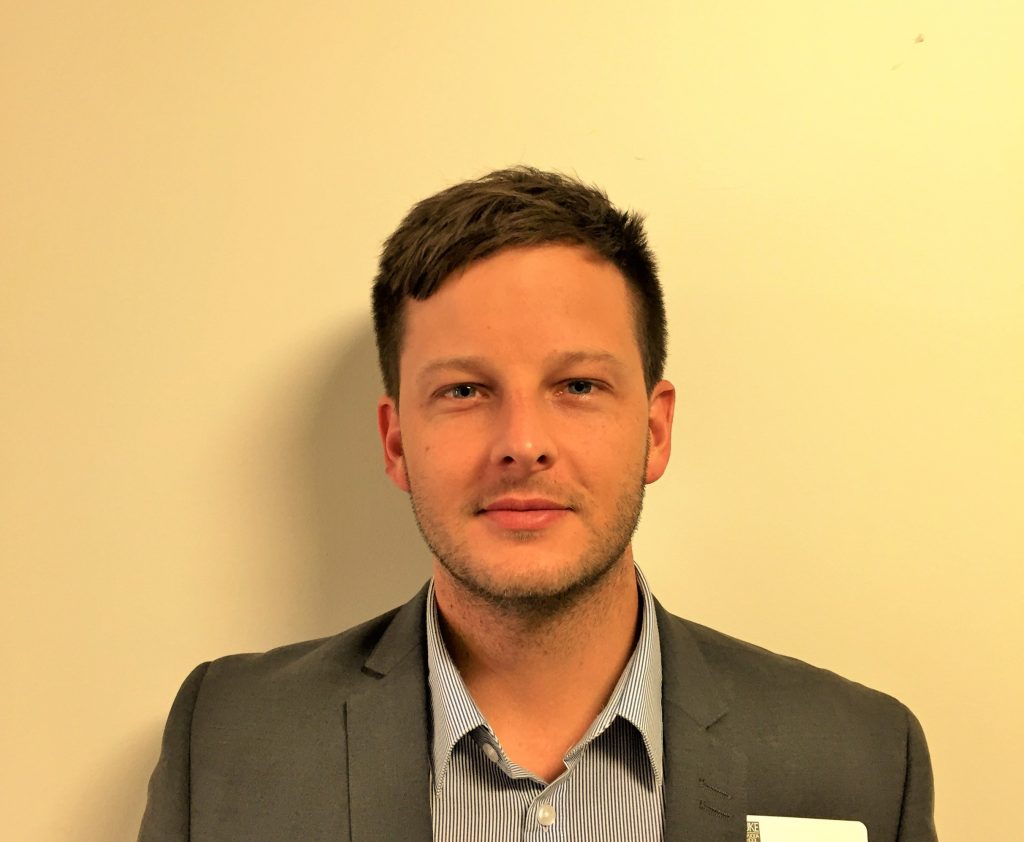
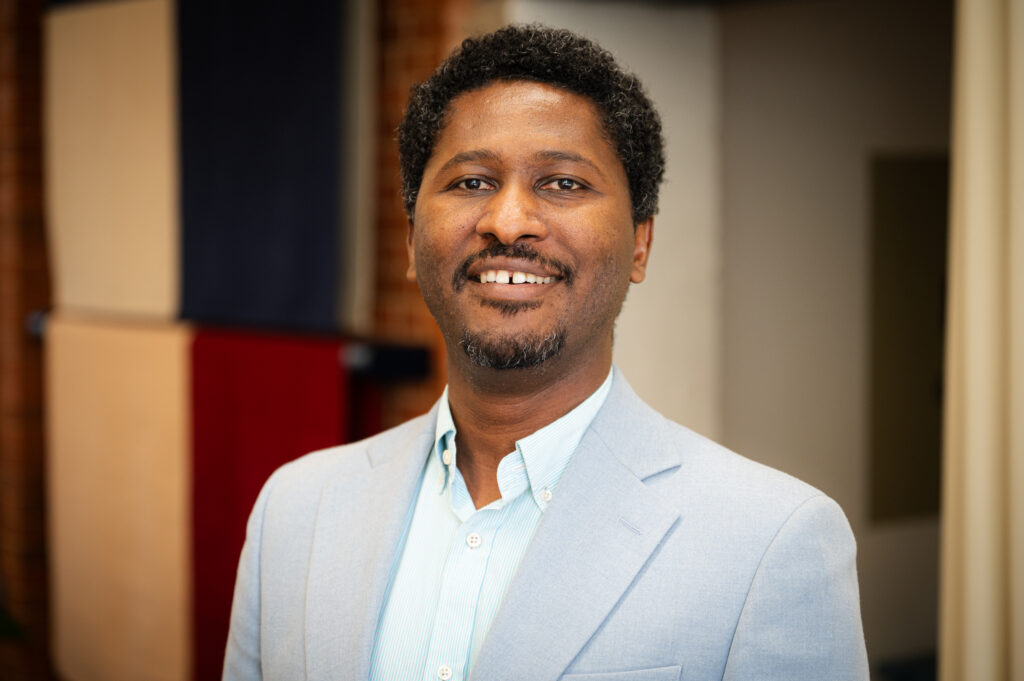
CIFF’s SRHR team has a wealth of experience across government, multilateral and industry sectors.





Related regions and programmes