Building nationally owned SRHR systems: partnering with Senegal to strengthen reproductive health



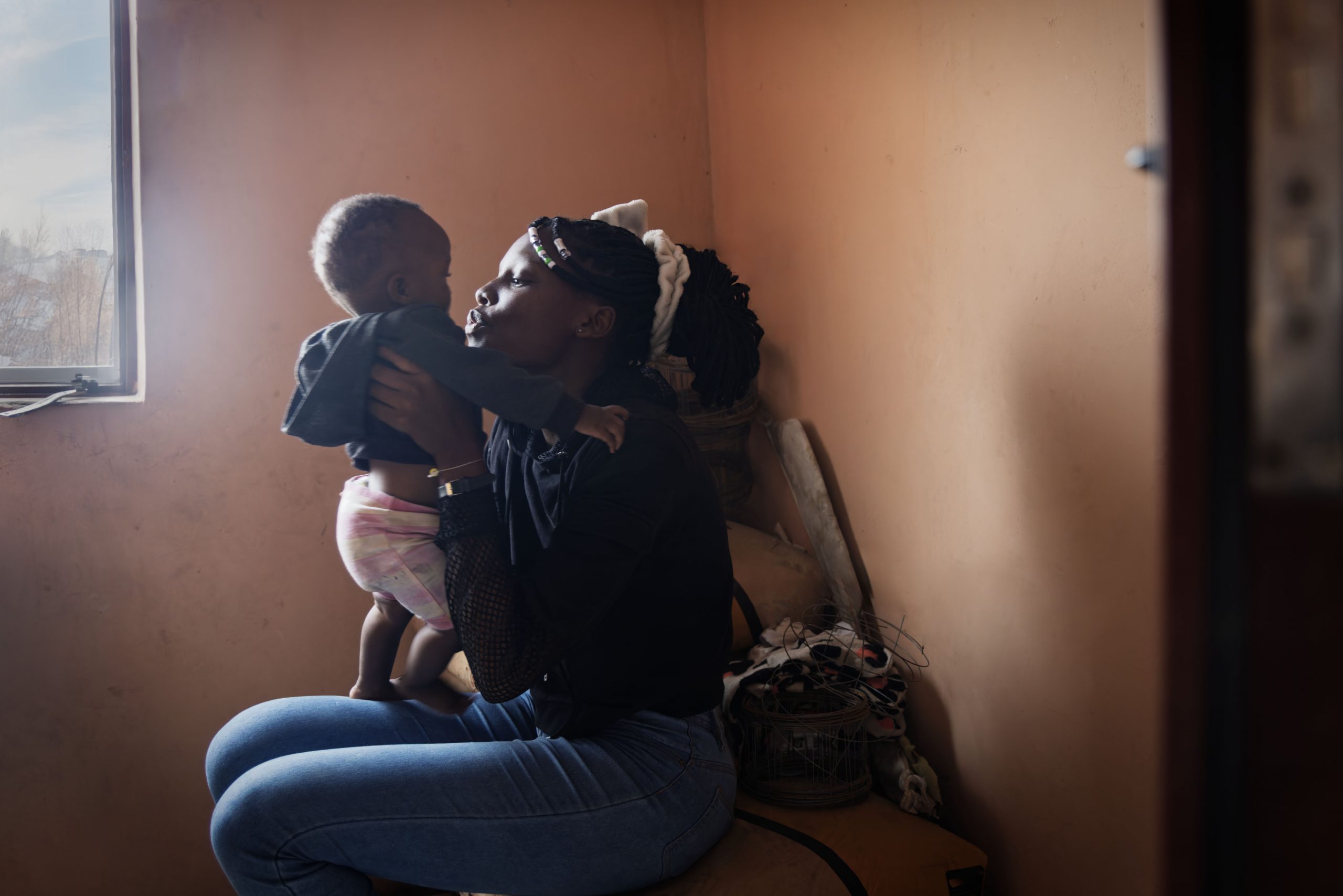
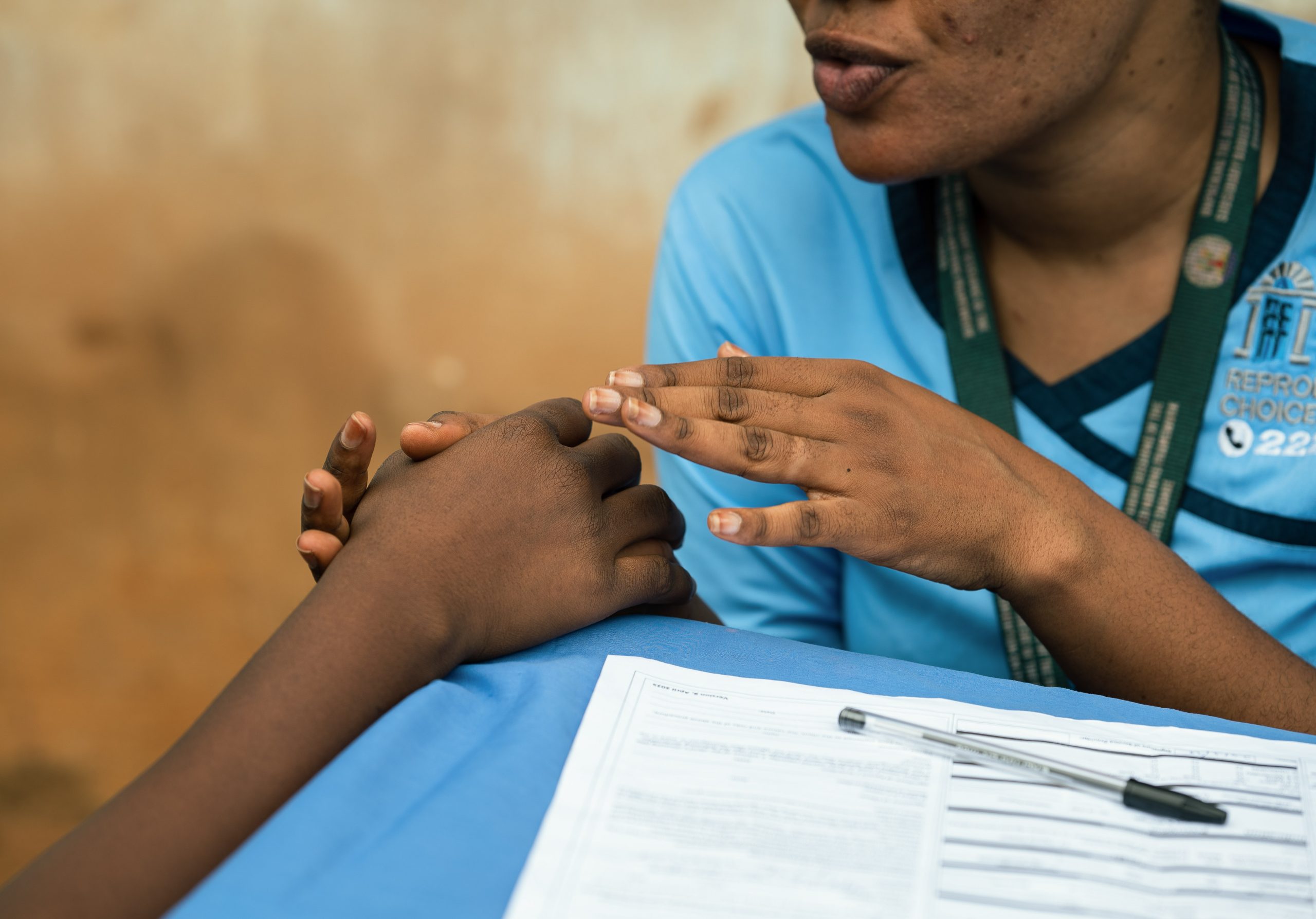
In Senegal, sexual and reproductive health is a significant factor in the wellbeing of families, communities, and the country’s long-term development. Yet for many women, adolescents and young couples, access to timely, high-quality sexual and reproductive health services remains uneven. Long journeys to facilities, shortages of trained providers, supply disruptions, cost barriers and social stigma all contribute to a limitation of access, particularly for those living in poorer urban neighbourhoods and rural areas.
Research shows that only 1 in 4 young women and adolescents in Senegal’s urban areas has access to contraception, and this number is estimated to be even smaller in rural environments. When sexual and reproductive health services are difficult to reach, the consequences extend well beyond unmet contraceptive need. Easily treatable sexual health conditions or pregnancy-related complications can become more serious when diagnosis and treatment are delayed. Untreated infections increase the risk of infertility, adverse pregnancy outcomes, and maternal morbidity, while gaps in postpartum and maternal care heighten risks for both mothers and newborns.
At a community level, these challenges place sustained pressure on resources, both for health facilities and for the individual. Families may face preventable healthcare costs, lost income, or long-term health impacts that constrain economic stability. Over time, these dynamics reinforce cycles of vulnerability, limiting opportunities for women and girls and slowing progress toward national health and development goals.
Strengthening access to comprehensive, integrated sexual and reproductive health services is therefore not only a matter of individual wellbeing. It is central to building resilient health systems, supporting healthy families and enabling communities across Senegal to thrive.
Senegal’s response has centred on long-term, system-wide reform.
Under its 2050 National Transformation Agenda, the government of Senegal has identified family planning and reproductive health as strategic levers for economic growth, wellbeing and human capital development.
In partnership with the Ministry of Health and Public Hygiene, CIFF is supporting the implementation of a costed implementation plan that strengthens family planning and reproductive health services nationwide. This approach prioritises national ownership, aligning external financing with government-defined priorities and embedding reproductive health within maternal, newborn and child health systems.
The partnership focuses on expanding equitable access to services for underserved populations, improving service quality, strengthening supply chains, and supporting innovations such as postpartum family planning and self-care approaches. By integrating family planning into routine health services and ensuring commodities are procured and provided free at the point of care, Senegal is building a more resilient and sustainable health system.

This collaboration is grounded in government leadership. CIFF’s $20 million investment directly supports the Ministry of Health and Public Hygiene to deliver its own national commitments, including Senegal’s FP2030 goal to increase modern contraceptive prevalence, the percentage of women of reproductive age (typically 15–49) who have access to contraception, from 25% nationally, to 46%.
Rather than creating parallel programmes, the partnership reinforces existing public systems. It supports domestic financing for contraceptive commodities, strengthens data and delivery capacity within the Ministry, and enables reforms that improve efficiency, accountability, and long-term sustainability.
Over the past decade, Senegal has demonstrated how coordinated action across supply chains, service delivery and community engagement can drive results. Reforms such as decentralised services, proactive engagement with community and religious leaders, and innovations in commodity distribution have already contributed to a substantial increase in contraceptive use. This partnership builds on that foundation, accelerating progress while keeping leadership firmly in national hands.
Partners



The Ministry of Health and Public Hygiene leads the design, implementation, and oversight of Senegal’s family planning and reproductive health strategy. Through its Directorate of Maternal and Child Health, the ministry sets national priorities, integrates family planning within broader health services, and drives reforms that expand access, improve quality, and strengthen sustainability. This partnership supports the ministry to advance its FP2030 commitments and deliver its long-term national vision.
CIFF acts as an enabling partner, aligning philanthropic financing with Senegal’s nationally defined priorities. Its investment supports the Costed Implementation Plan, strengthens health system capacity, and helps unlock sustainable domestic financing for reproductive health. By working directly with the government and respecting national leadership, CIFF supports reforms that are locally owned, scalable, and resilient over time.
CIFF has committed to supporting a long-term strategy to double Senegal’s long-term ambition to double its modern contraceptive prevalence rate to 48% nationwide by 2028.
The partnership currently supports around 5 million women and adolescents in accessing sexual health services across Senegal, from urban to rural environments.
Maternal mortality in Senegal has fallen by over 50% since the 1990s, in part thanks to increased access to modern contraception. CIFF’s support to expand community access to injectables, strengthen commodities, and improve service delivery helps maintain this trajectory and close remaining gaps.
For children,
strong sexual and reproductive health systems shape their wider environments to promote healthier beginnings and brighter futures. When communities have access to timely, high-quality sexual health services, the wider health infrastructure benefits. With access to reliable and well-trusted sexual health services, women are more likely to enter pregnancy on their own terms and in good health, giving babies a stronger start in life.
At a national level, improved access to reproductive health eases pressure on health, education, and social services. By investing in nationally owned systems today, Senegal is laying the groundwork for healthier families, stronger communities, and greater opportunity for children to thrive in the years ahead.