Building climate participation: youth voice in climate decision-making


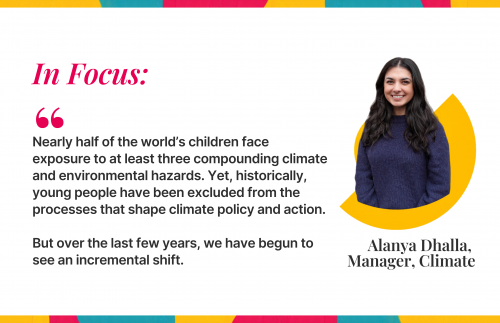
Climate change is the defining challenge of the 21st century, and children and young people will live with its consequences longer and more intensely than any generation before them. From heatwaves and flooding to food insecurity and disrupted education, the impacts of climate change already disproportionately impact young people’s lives, although collectively the young have contributed least to the problem.
Despite this, global climate decision-making has historically excluded those most affected. International negotiations, including the UN climate process, are complex, technical programmes of work. They are dominated by established political and economic actors; while young people have driven public awareness and moral urgency around climate action, their participation has often been limited, with few structured pathways to shape policy outcomes.
This exclusion is not just an equity issue; it is a governance flaw. Climate policies that overlook lived experience risk being less effective, less legitimate and less responsive to real-world needs. Without mechanisms that enable children and young people to contribute meaningfully, climate decision-making risks reinforcing existing power imbalances and missing the opportunity to build durable, intergenerational solutions.
As climate impacts intensify, the need to embed youth voice within climate governance has become increasingly urgent, not as a one-off gesture, but as a sustained feature of how decisions are made.
Meaningful youth participation
requires redesigning systems to ensure access and credibility. CIFF supports a connected ecosystem that links safe spaces for engagement, capacity-building for leadership, and institutional reform within climate governance.
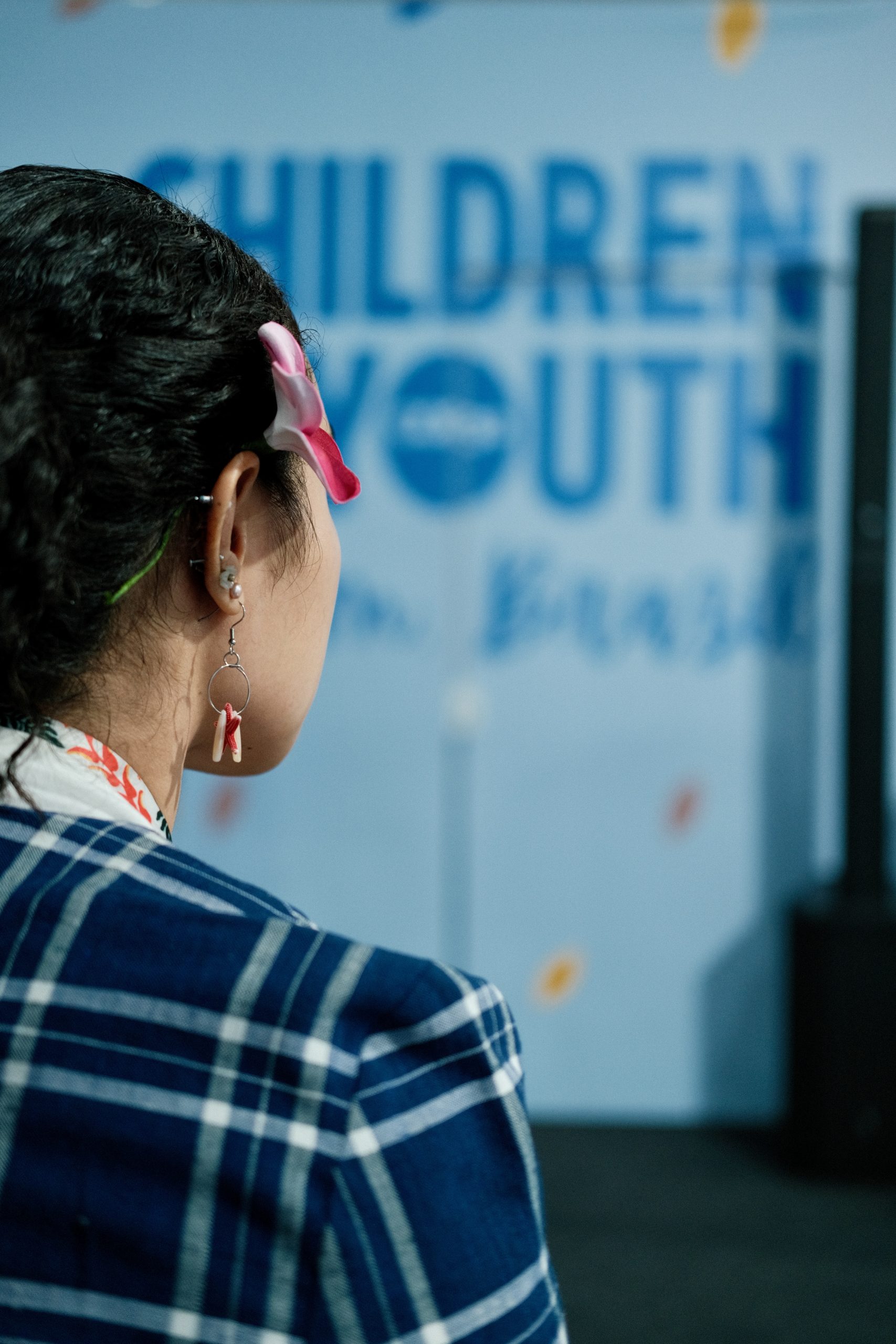
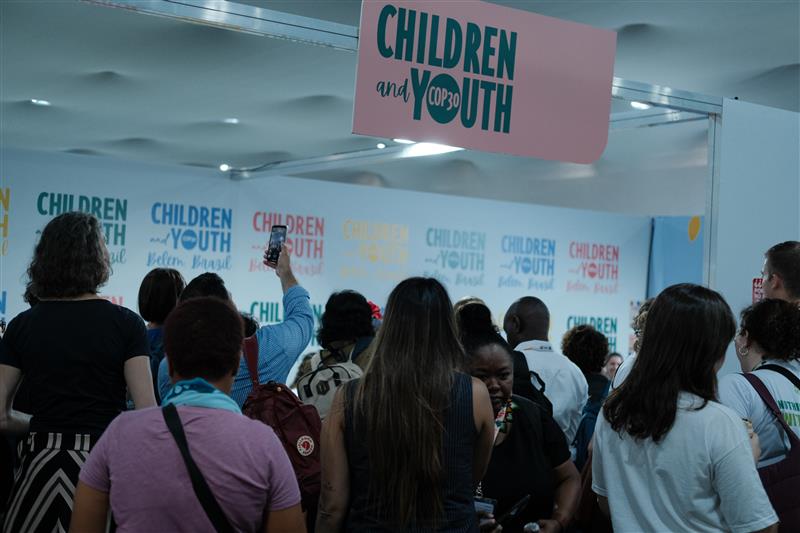
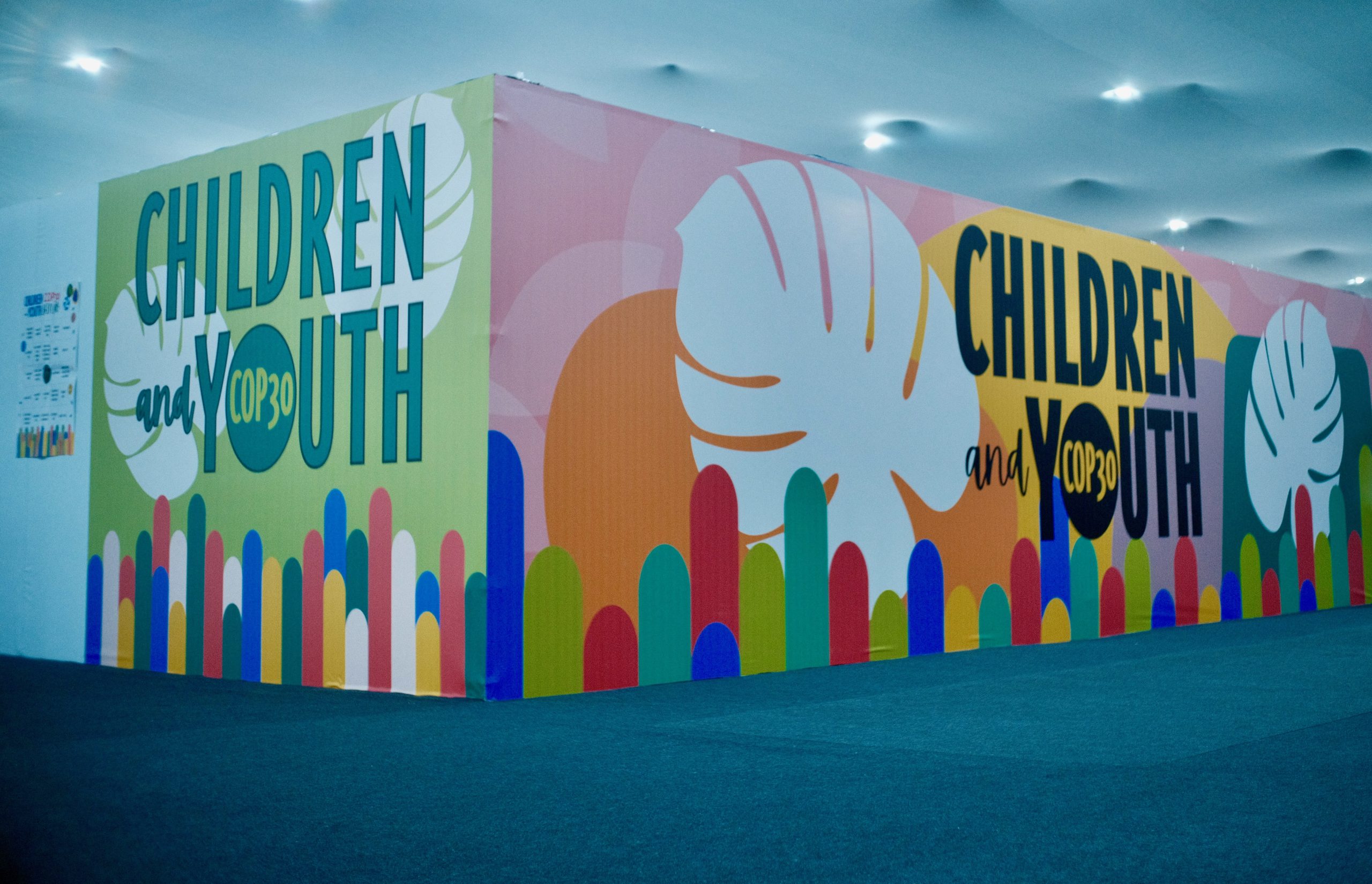
One such platform is the Children and Youth Pavilion at COP, a dedicated, youth-governed space within the UN climate negotiations. Established at COP27 and expanded through subsequent COPs, the Pavilion creates structured opportunities for children and young people to engage directly with negotiators, policymakers, researchers, and institutional leaders, while retaining ownership over priorities and programming. It functions not only as a convening space, but as a capacity-building hub, supporting policy briefings, high-level dialogues, workshops, and real-time feedback loops into negotiations.
Beyond convening, CIFF invests in strengthening leadership capabilities of young people through the Youth Negotiators Academy, launched in 2022. The Academy equips emerging environmental negotiators with the skills and knowledge, access to mandated negotiation roles within delegations, travel and subsistence support to present at important negotiations, community, and the legitimacy needed to participate effectively in multilateral negotiations. By nurturing a global community of trusted and effective young negotiators, the Academy helps redress systemic inequalities in representation and supports more inclusive, future-focused decision-making.
CIFF also supports the Presidency Youth Climate Champion, within the United Nations Climate Change process. This unique position within each COP presidency aims to enhance and encourage the inclusive engagement of children and young people in climate decision-making.
By establishing a formal bridge between COP Presidencies and young people, the Champion helps ensure that youth engagement is not just symbolic, but that it is structurally integrated into climate leadership.
Together, these efforts shift youth participation from consultation to co-creation, building the skills, platforms, and institutional pathways required for sustained engagement in global climate governance.
Partners
This work supports youth-led processes, strengthens collaboration between generations, and helps embed participation within formal decision-making structures, resulting in a more legitimate, inclusive climate ecosystem shaped by those who will inherit its consequences.



The United Nations Framework Convention on Climate Change is a key organisational partner for the Presidency Youth Climate Champion role, the Children and Youth Pavilion and the Youth Negotiators Academy, facilitating greater ease of inclusion during the COP Conference.
The Children and Youth Pavilion is managed by a steering committee run by youth-led climate organisations from around the world.

CIFF, along with other philanthropies and charitable foundations, worked in partnership with UNFCCC and COP Presidencies to fund the Children and Youth Pavilion. This helped to create safe, credible pathways for participation for youth-led organisations, strengthening the conditions needed for sustained inclusion.
Youth-led platforms like the Children and Youth Pavilion have created structured, recognised entry points for children and young people to access multilateral climate conferences and engage directly with climate policymakers, and the Youth Negotiators Academy has increased the number of skilled young decision-makers contributing to and leading negotiations, and influencing their outcomes.
By integrating lived experience into policy discussions, youth participation has helped sharpen focus on long-term impacts, equity and intergenerational justice within climate agendas.
Participation builds skills, networks, and confidence among young climate leaders, strengthening the pipeline of informed, engaged actors shaping climate action beyond COP processes.
For children,
being included in climate decision-making is about more than representation: it is about agency over their futures. When young people’s experiences, priorities, and ideas are taken seriously, climate policies are more likely to protect health, education, and livelihoods across generations.
Meaningful participation also helps counter feelings of powerlessness and climate anxiety, replacing exclusion with ownership and hope. Creating pathways for children and youth to shape the decisions that affect them supports not only better policy, but a generation that is equipped to lead, collaborate, and build solutions in a rapidly changing world.