Ending neglected tropical diseases: a collaborative approach to health


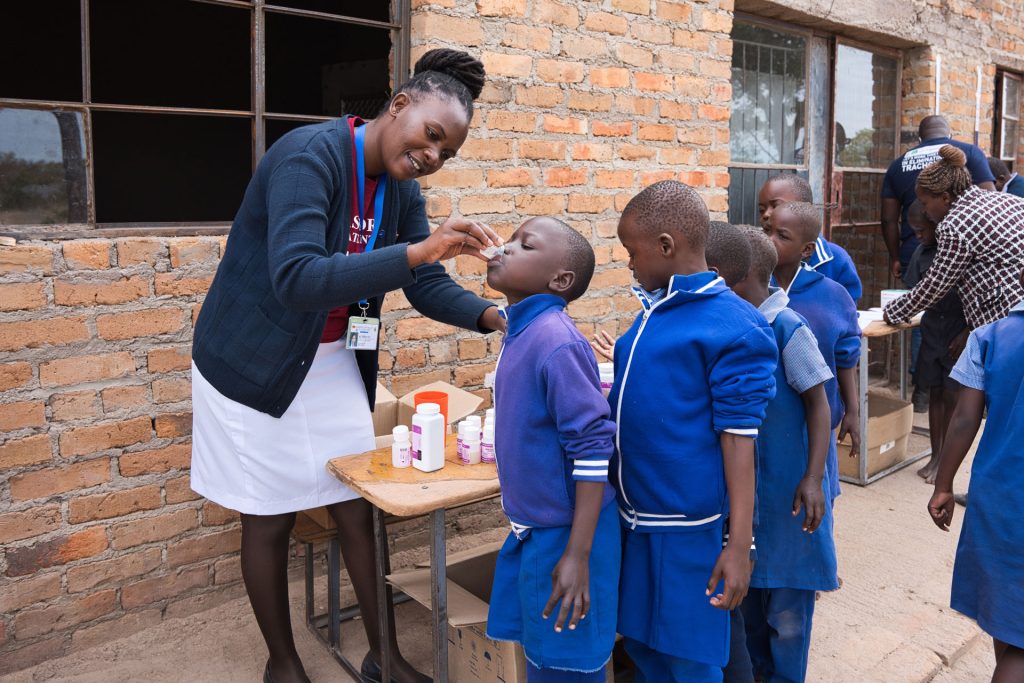
Neglected tropical diseases (NTDs) are a diverse group of 21 communicable infections which disproportionately impact marginalized communities. They are among the most preventable and treatable health conditions in the world, yet they continue to affect over one billion people globally. Nearly 20% of the world’s population is at risk of at least one NTD, and 35% of that burden, around 519 million people, is concentrated in Africa.
CIFF focuses on seven NTDs which are responsible for 90% of disease, causing some of the greatest preventable suffering: Guinea worm disease, lymphatic filariasis, onchocerciasis (river blindness), schistosomiasis, soil-transmitted helminthiasis (intestinal worms), trachoma, and visceral leishmaniasis. These diseases thrive where poverty, weak infrastructure, and limited access to clean water and health services intersect, reinforcing cycles of illness, poverty and inequality.
NTDs can cause chronic pain, disability, blindness, disfigurement, and impaired cognitive development. For children, repeated infection affects growth, school attendance, and long-term economic opportunity. For communities, the cumulative impact reduces productivity and strains already fragile health systems.
Despite the availability of effective low-cost treatments, progress is uneven. Neglected tropical diseases remain chronically underfunded, with limited investment to scale proven solutions or develop new tools. Many at-risk communities are difficult to reach, whilst surveillance systems to monitor the progress of these diseases are under-resourced. Achieving the WHO’s 2030 NTD roadmap targets in Africa alone requires an estimated $11 billion.
Elimination is achievable and has been proven possible, but without sustained investment, strong national ownership, and coordinated financing, progress risks stalling just short of the finish line.
Eliminating NTDs requires more
more than periodic treatment campaigns; it demands sustained, system-level action that combines high-quality service delivery with long-term national ownership.
CIFF’s Africa-focused strategy aims to end seven NTDs by 2030 through three mutually reinforcing pillars: service delivery, evidence generation, and ecosystem building.
Working with partners across 35 countries, CIFF supports mass drug administration, morbidity management services such as trachoma surgery, and high-quality surveys to guide elimination decisions. Since 2019, these investments have contributed to over 719 million treatments delivered and 31 million people no longer requiring intervention.
At the same time, CIFF is working towards helping to strengthen national data systems, disease surveillance, and post-elimination response capacity to ensure progress is durable. Programmes such as Geshiyaro in Ethiopia demonstrate how combining community-wide treatment, water and sanitation hygiene, as well as behavioural change, and digital tools, can interrupt transmission of multiple diseases such as intestinal worms and schistosomiasis.
CIFF’s catalytic funding model is central to this approach. Between 2024 and 2030, $328 million of investment by CIFF is expected to unlock over two billion dollars in co-financing, $2.2 billion in government contributions, and billions more in donated medicines, helping transition programmes from externally driven campaigns to sustainable, government-led systems.
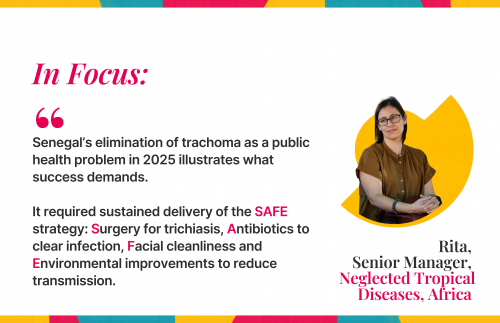
Recent milestones show what is possible. In 2025, Niger became the first African country to eliminate river blindness, a historic achievement that demonstrates both the health and economic returns of sustained investment. Also in 2025, Senegal reported that it had eliminated trachoma as a public health problem, demonstrating what coordinated, sustained action can achieve. These successes provide a powerful blueprint for other endemic countries: when governments lead, partners align, and systems are strengthened alongside service delivery, elimination is not only possible, it’s also sustainable.
Partners





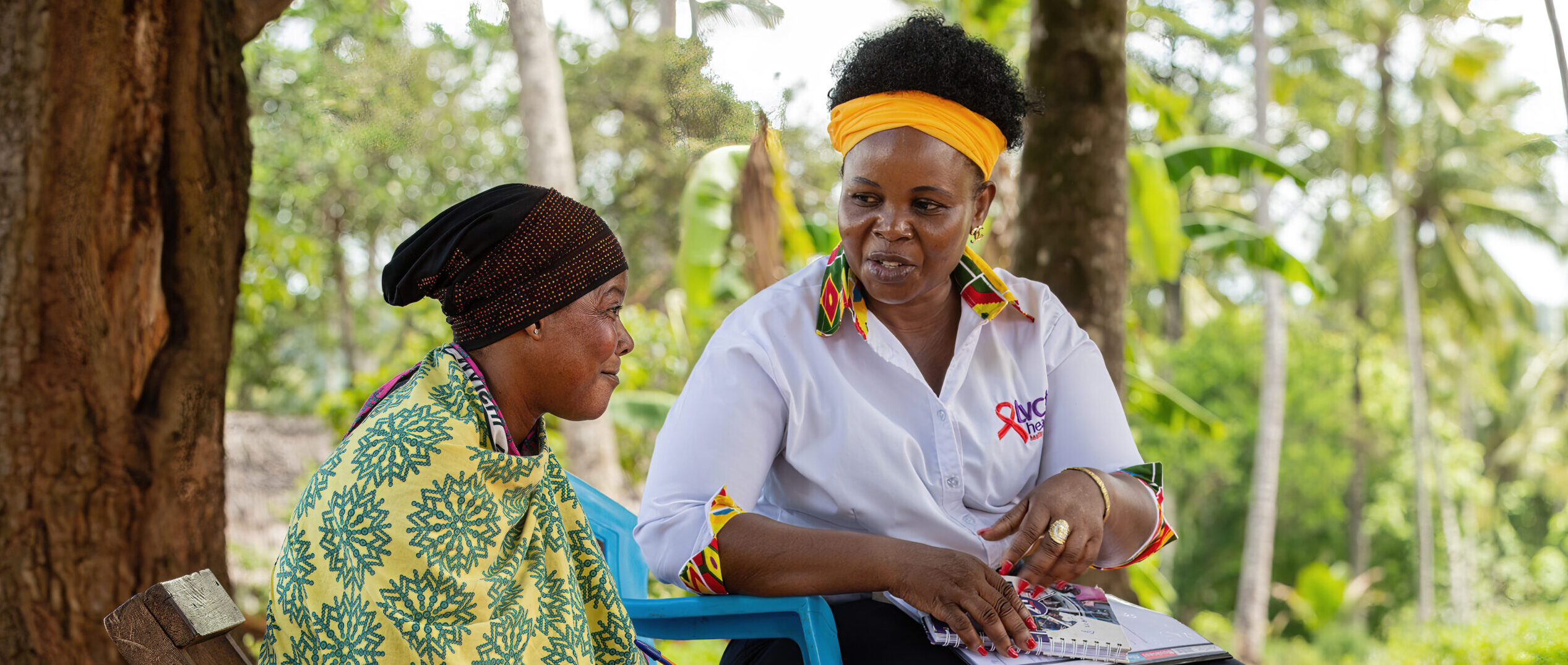
National governments lead elimination efforts, setting priorities, integrating NTD services into health systems, and validating progress toward elimination. Strong political commitment is essential for sustaining gains and transitioning from donor-supported programmes to nationally financed services.
Through pooled investments, philanthropic partners including CIFF help de-risk innovation, scale up proven approaches, and incentivise additional funding. By aligning financing with government strategies and global roadmaps, philanthropy plays a critical role in accelerating progress in line with national ownership.
Organisations such as the World Health Organization provide technical guidance, coordination, and validation frameworks that align country efforts with global standards. These partners ensure data quality, comparability, and accountability across regions.
NGOs and academic institutions including Sightsavers support delivery, operational research, and innovation. Their work helps adapt interventions to local contexts, address persistent transmission, and generate evidence to inform policy.
CIFF-supported programmes are helping countries move from controlling preventable diseases towards eliminating them. Coordinated efforts amount to a 32% reduction in required interventions since 2010, representing more than 695 million people protected from preventable disease.
Sustained global coordination, national leadership, and targeted investment have enabled 58 countries worldwide to eliminate at least one neglected tropical disease as a public health problem. Every country that achieves elimination helps to build regional momentum towards more successes.
Thanks to coordinated efforts from philanthropies, governments, multi-lateral organisations and local communities, the number of trachoma cases has been reduced by an estimated 94% compared to 2002. With over a billion more people living free from the disease, the number of global cases has fallen to below 100 million since records began.
For children,
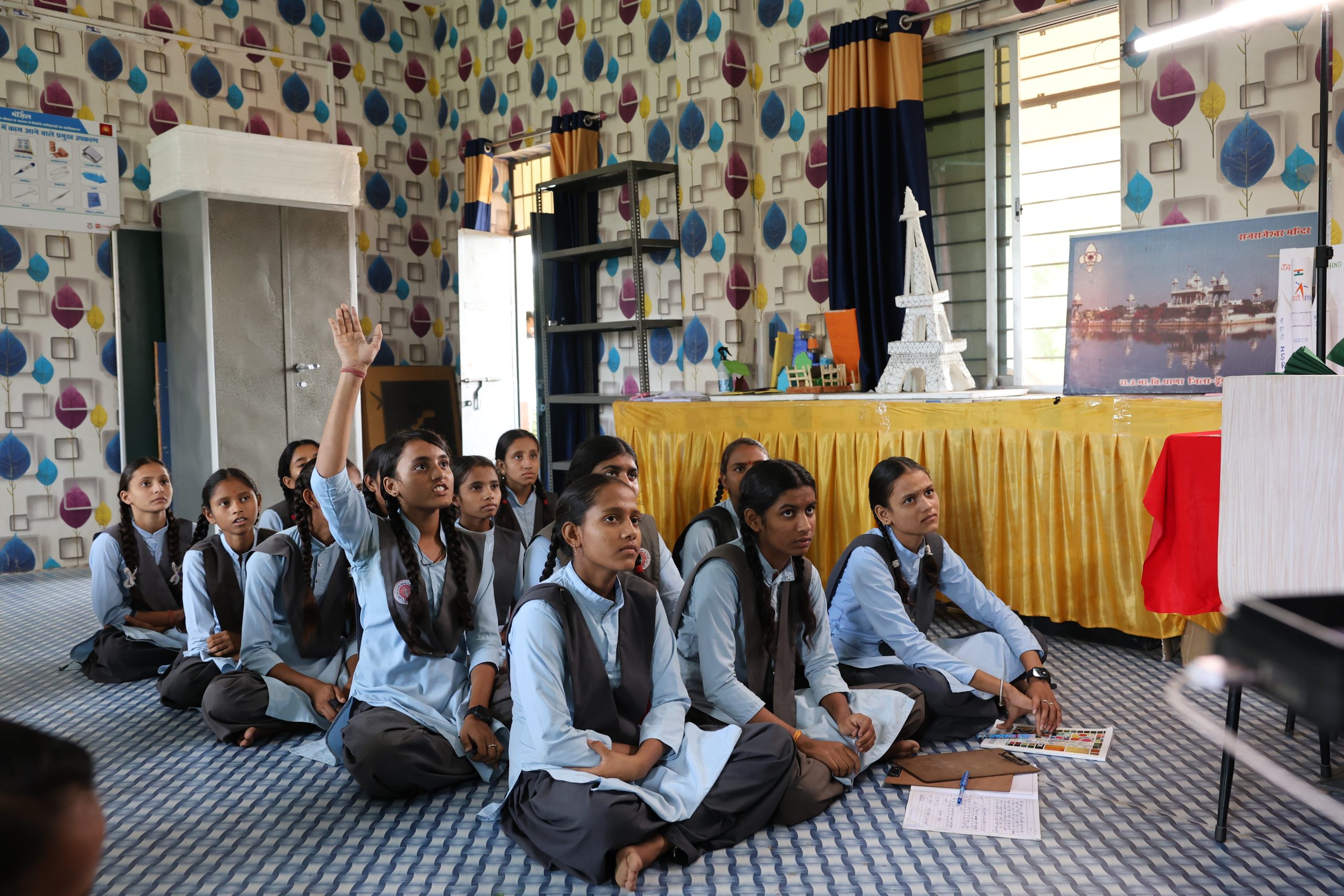
eliminating neglected tropical diseases is transformative. It means fewer days lost to illness, offering them a better chance to grow, learn, and thrive. When infections are prevented early, children are more likely to attend school consistently, develop to their full cognitive potential, and participate fully in their communities.
Beyond health, elimination of NTDs breaks cycles of poverty that disproportionately affect children in marginalised settings. Families face fewer medical costs, caregivers lose fewer workdays, and communities are better able to invest in education and opportunity.
By helping to end preventable diseases, this work supports a future where children’s lives are no longer defined by risks, but by the possibilities that open up when health is protected and systems work for everyone.