Senegal eliminates trachoma: One step closer to a trachoma-free Africa
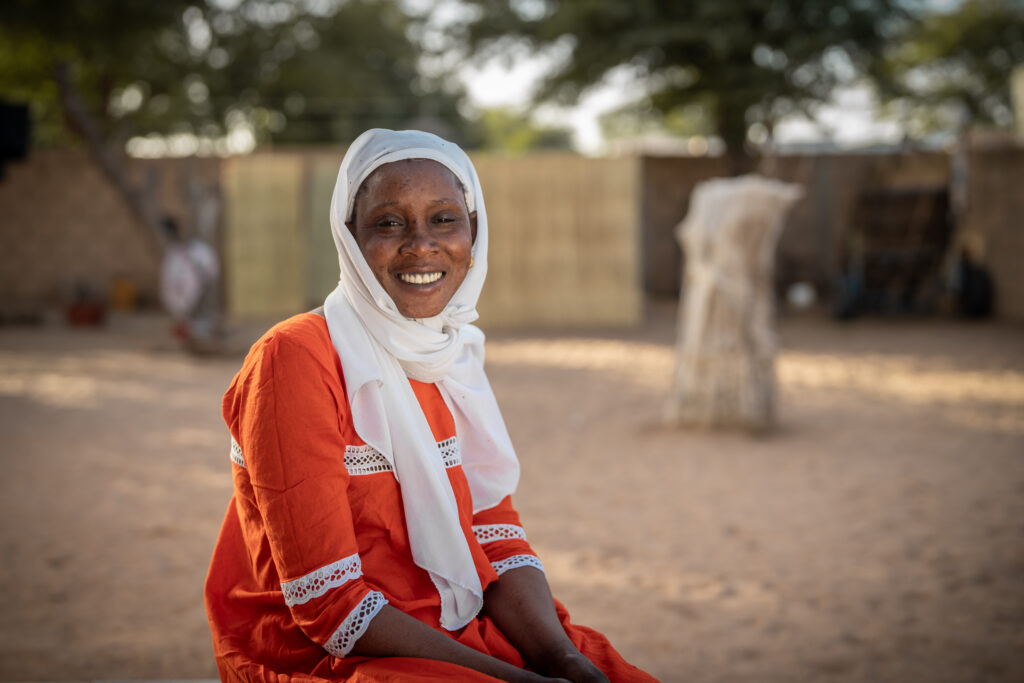
Senegal is celebrating the World Health Organisation’s announcement, on the 15th July, that the country has officially eliminated trachoma as a public health problem.


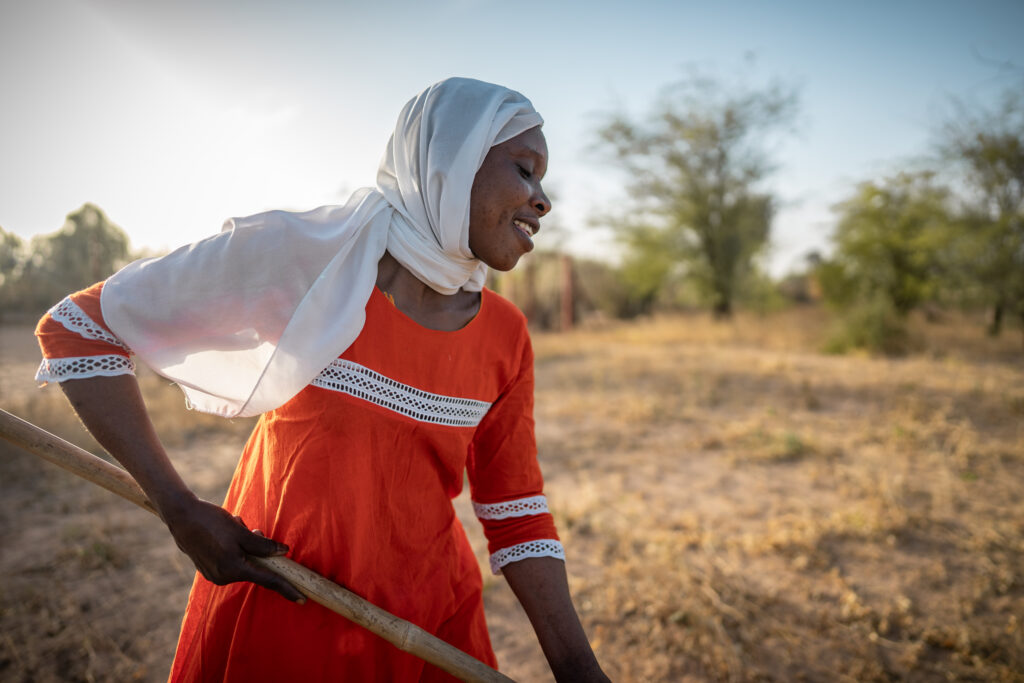
This historic feat means that close to 3 million people in the country are no longer at risk of suffering from this painful and potentially blinding eye infection.
At CIFF, we are proud to have supported this achievement alongside Sightsavers and the Senegalese Ministry of Health through the Accelerate programme. Since 2018, with global cooperation, and by pooling international resources and empowering local leadership, the programme has delivered:
surgeries for patients with advanced trachoma, to prevent blindness
training for 13,000 trachoma case finders
Training for 45 trachoma surgeons
Senegal is the 2nd Accelerate-supported country to be validated for trachoma elimination, after Benin. However, it joins 24 other countries worldwide that have achieved this milestone, becoming the 10th African country to eliminate the disease.
This year to date, 4 countries have already been validated for eliminating trachoma, and a further five African countries have met the prevalence criteria for elimination and are awaiting validation, including Botswana, Guinea-Bissau and Namibia, also supported by Accelerate.
These achievements are great stepping stones towards a trachoma-free Africa, as there are now only 25 African countries still in need of trachoma interventions, out of 32 countries still endemic worldwide. WHO estimates that the number of people at risk of trachoma globally (in 2025) is 102.6 million (a decrease from 1.5 billion in 2002), with Africa carrying the greatest burden with 95.5 million people at risk – this is 93% of the global burden. The number of people with advanced trachoma (in need of surgery) has also fallen by 84% in the same period, from 7.6 million to 1.2 million.
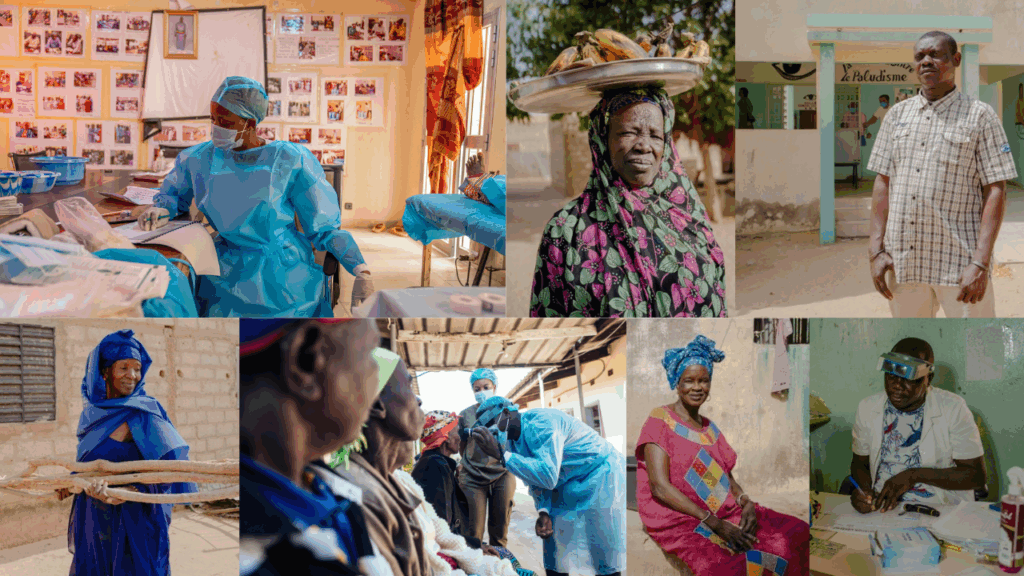
Of course, behind each number is a person who has played a unique and important role in this success story. From ministers of health, surgeons, community leaders, and patients – we celebrate the people behind this elimination effort and use their experience to help guide us in keeping the momentum in NTD initiatives.
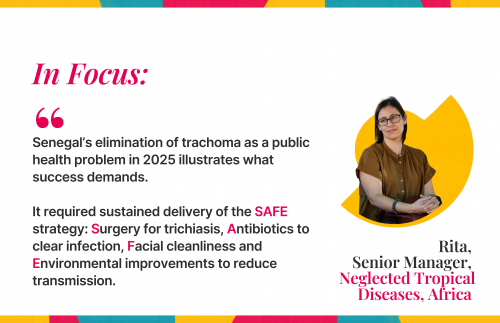
surgery to correct trachomatous trichiasis (TT), the blinding stage of the disease;
mass drug administration (MDA) of antibiotics (azithromycin) to clear active infection;
promotion of facial cleanliness to reduce transmission; and
environmental improvements, particularly access to clean water and sanitation, to break the cycle of infection.
Robust healthcare and water infrastructure also underpin the success of achieving trachoma elimination across Africa. Access to clean water, adequate sanitation facilities, and sustained hygiene promotion have a proven impact on reducing transmission and lowering disease prevalence. Countries where trachoma remains highly prevalent are often significantly behind in their elimination timelines due to systemic capacity gaps and persistent last-mile challenges.
The global economic burden of trachoma is substantial, with annual productivity losses estimated at US$8 billion when including trichiasis. However, trachoma interventions are highly cost-effective: the cost of delivering MDA is approximately $0.37 per person per year; the average cost of TT surgery is around $180 per case. The average cost of trachoma prevalence surveys is $25,000. Overall, every $100 spent on surgery can prevent 1 to 30 years of blindness, and an additional 1 to 30 years of low vision, significantly improving quality of life and productivity.
CIFF continues to support trachoma elimination across Africa through multiple partners and initiatives. With a focus on achieving elimination, we are supporting the implementation of the SAFE strategy in approximately 17 countries across the continent through our Accelerate and ARISE partnerships. In addition, through the Operation Sight and Sight for Africa initiatives, CIFF supports the delivery of TT surgeries in six African countries, and we are also funding operational research in districts with persistent or recrudescent trachoma, aiming to design and inform targeted last-mile interventions that accelerate progress toward elimination.
Globally, the number of people at risk of trachoma fell by more than 93% from 2002 to 2025, according to WHO. Yet, despite huge progress, the disease remains the leading infectious cause of blindness worldwide. Senegal’s success, therefore, sets an important blueprint for other countries to learn and develop their own paths to eliminate this devastating disease around the world once and for all. This is a celebration not just for Senegal and not just for the fight against trachoma, rather it’s a glowing example of how together we can fight NTDs and strengthen our health systems to protect everyone, particularly those most vulnerable.
Together we can make this vision become a reality for others and one day reach a world where all NTDs are eliminated.